
 Remote work was supposed to be freedom. No commute, flexible schedule, work from anywhere. Instead, Michael found himself working longer hours than ever, never fully present at work or home. His laptop lived on the dining table. Email interrupted dinner. The bedroom became an office extension. He was always available but never productive, always working but never done.
The problem wasn’t discipline. It was the complete collapse of boundaries when work and life happen in the same space.
The Boundary Crisis
Office work had built-in structure. Physical commute signaled transitions. Leaving the building meant leaving work. Remote work erased these distinctions, and most haven’t rebuilt them.
Without boundaries, work expands infinitely. There’s always one more email, one more task. The flexibility that should create balance instead creates constant low-level work anxiety that never shuts off.
The Most Effective Hack
The productivity hack that transforms remote work isn’t an app—it’s ruthlessly protecting boundaries through physical and temporal separation. Create clear spaces and times exclusively for work or exclusively for rest, never both.
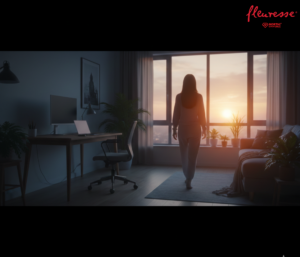
Designate one area as workspace. Even in small apartments, claim one corner that means work. When you’re there, you’re working. When you leave, work is done. This physical boundary trains your brain to shift modes. Many discover productivity doubles simply by having dedicated workspace they can physically leave.
Set rigid work hours and actually stop. Remote work flexibility means choosing when you work, then protecting non-work time intensely. Create shutdown rituals—close laptop, put it away, change clothes—something physical marking the transition.
The Bedroom Non-Negotiable
Most remote workers sabotage themselves by bringing work into the bedroom. Checking email before bed. Working from bed with a laptop. Phone on nightstand with notifications enabled. The bedroom should have absolutely no connection to work.
Sleep quality determines everything—focus, decision-making, mood, energy, productivity. When your bedroom associates with work stress, sleep quality crashes. Your brain can’t fully relax in spaces it associates with deadlines. This isn’t preference—it’s neuroscience.
No laptops in bed. No work calls from bedroom. No checking email after entering that space for evening. Your bedroom is for sleep and recovery, period. Protecting this boundary is essential for sustainable remote work.
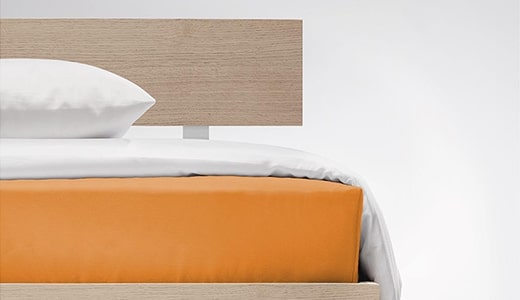
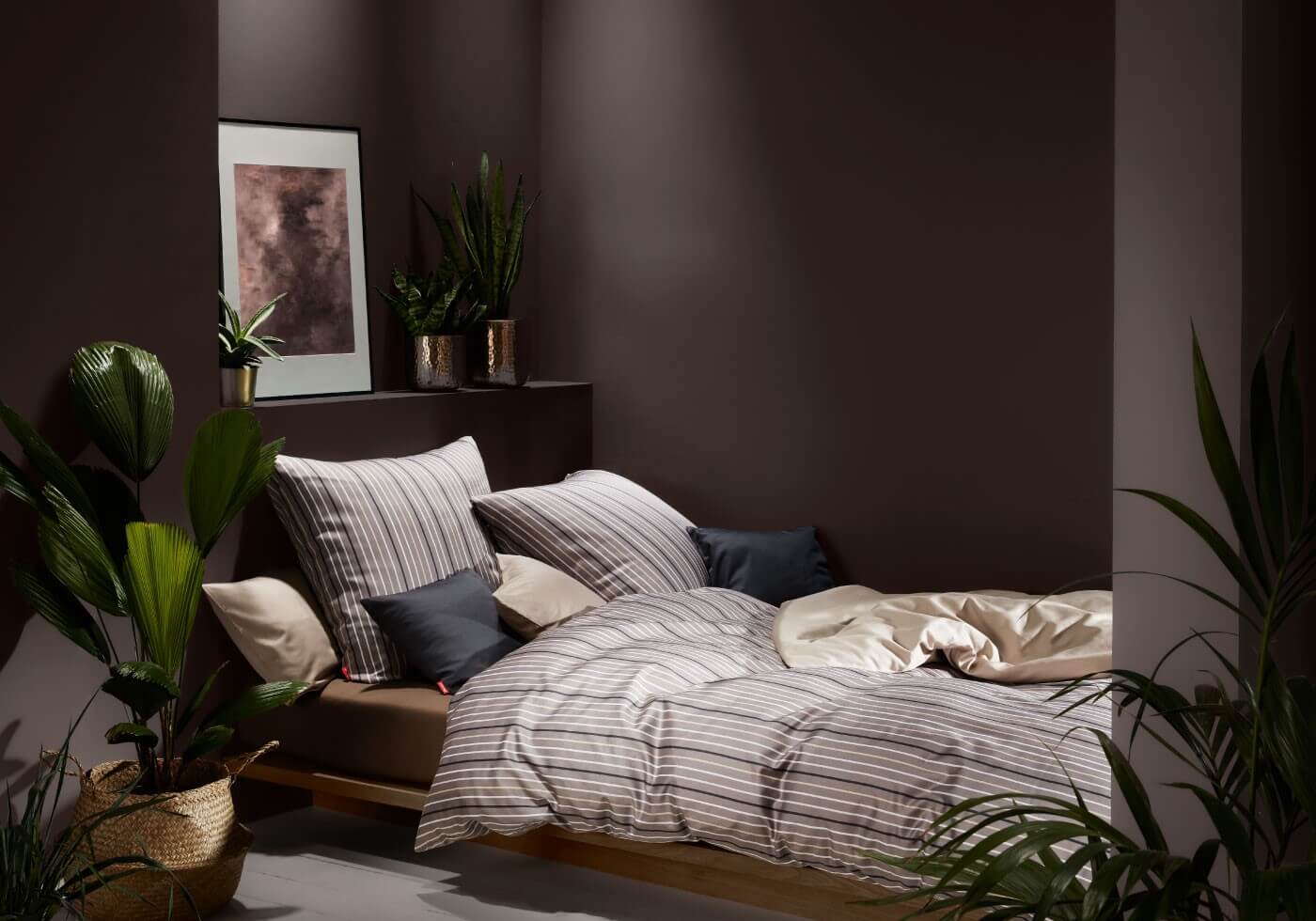
Invest in making your bedroom a genuine sanctuary. Quality essentials from North-Diamond epsilon create spaces so clearly dedicated to rest your body knows exactly what to do there. When your bedroom is optimized for recovery, workspace productivity improves because you’re actually rested.
The Paradox
The stricter your boundaries, the more effective your work. People who blur lines accomplish less, not more. They’re constantly distracted, never fully focused, running on depleting energy.
People who protect boundaries work intensely during work hours because rest is coming. They rest deeply during off hours because work isn’t bleeding into everything. The separation creates conditions for both productive work and genuine recovery.
Remote work’s flexibility requires more structure, not less. Choose your work hours, then defend them. Create workspace, then leave it. Protect your bedroom as recovery space, then actually recover there. The boundaries you enforce determine whether remote work becomes sustainable freedom or unsustainable burnout.
Your home needs zones. Work zone during work hours. Life zone during off hours. Sleep zone that’s sacred. When these blur, everything suffers. When they’re clear, remote work delivers on its promise—better productivity and better life.
Create your recovery sanctuary. Explore North-Diamond epsilon’s collection at https://northdiamondepsilon.com.ph/ and invest in spaces designed exclusively for rest.