
 The fruit vendor’s stall overflows with color—deep purple ube, vibrant green suha, golden mangoes still clinging to their summer sweetness. January in the Philippines offers a unique intersection of seasons, where some fruits are saying goodbye while others are just arriving. Knowing what’s at its peak means getting the best flavor, the best nutrition, and often the best price.
What’s Peak Right Now
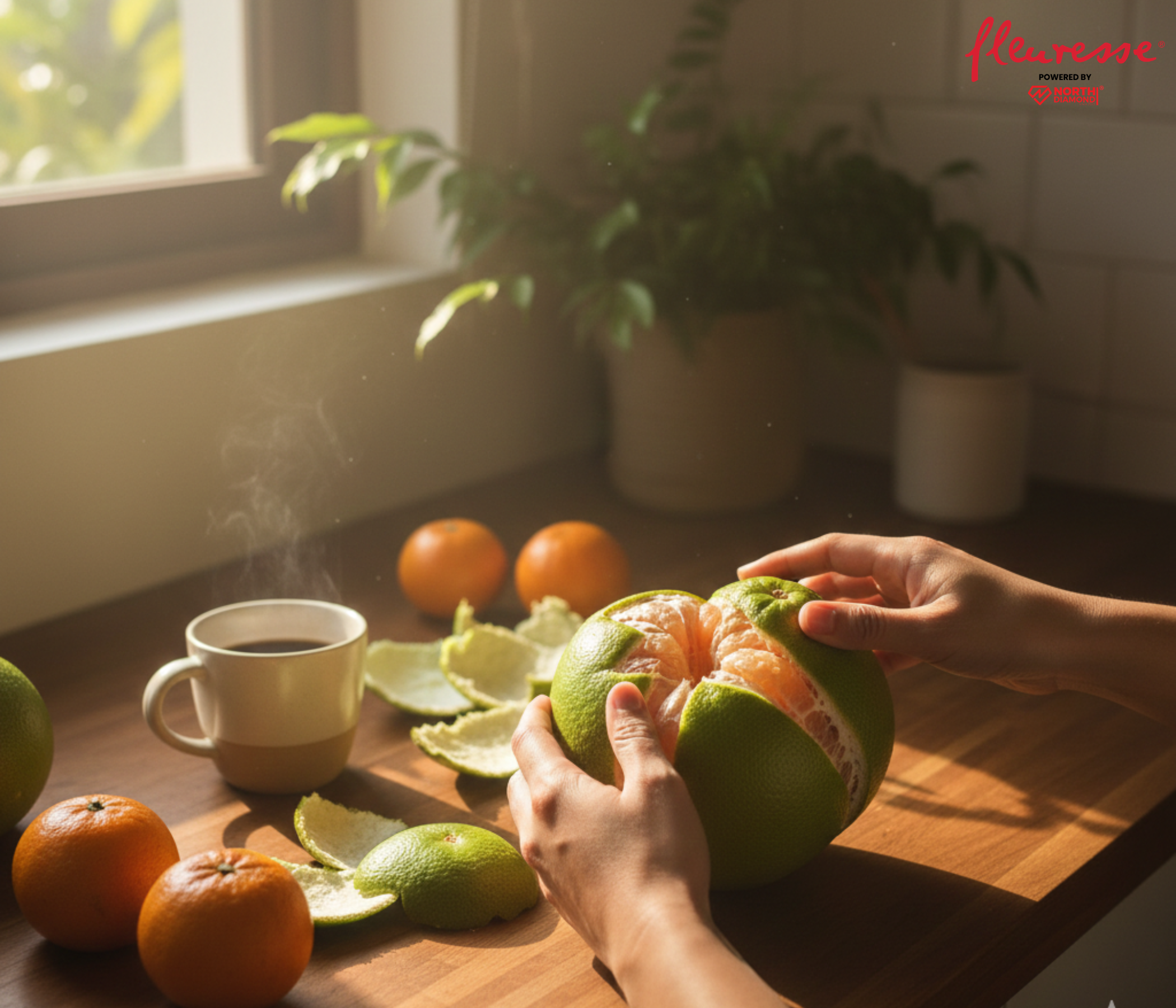
Suha, the Filipino pomelo, dominates January markets. This is prime season for these massive citrus fruits—sweet, slightly tart, perfectly refreshing. They’re at their juiciest now, easier to peel, and significantly cheaper than they’ll be in other months. The thick segments make great breakfast or afternoon snacks that hydrate while satisfying sweet cravings.
Dalandan, the Philippine orange, is also having its moment. Smaller and tangier than imported oranges, their vitamin C powerhouses arriving right when cooler January mornings make citrus especially appealing. Squeeze them fresh for juice or eat them whole—either way, you’re getting peak seasonal nutrition.
Mangoes are transitioning but still excellent in early January, especially the Carabao variety. As the month progresses, they’ll become scarcer and pricier, so enjoy them now while they’re still abundant. Their sweetness and flesh quality are still optimal from the tail end of summer harvest.
Bananas, ever-present in the Philippines, are particularly good in January. Lacatan and Latundan varieties are at their best—creamy, naturally sweet, perfect for everything from morning smoothies to afternoon merienda. The cooler weather means they ripen more slowly, giving you better quality and longer shelf life.
The Wisdom of Eating Seasonally
There’s something deeply satisfying about eating what’s naturally abundant right now. Seasonal eating isn’t just about flavor or cost—though both are compelling reasons. It’s about reconnecting with natural rhythms, about understanding that not everything should be available all the time, about appreciating what each season offers.
This philosophy extends beyond food. Modern life constantly pushes us toward convenience and availability regardless of season or appropriateness. We’ve lost touch with natural cycles—not just in what we eat, but in how we live. We expect summer energy in winter months, constant productivity without rest periods, perpetual availability without recovery.
The same intentionality that goes into choosing seasonal fruit applies to all aspects of life. Just as Suha is better in January because that’s when nature designed it to peak, rest is better when your body needs it. Quality matters more than constant availability. Timing matters more than forcing things out of season.
Creating Rituals Around Seasons
Some of the best parts of life are the small rituals built around seasonal changes. January mornings with fresh Dalandan juice. Weekend trips to the market for whatever fruit is overflowing the vendors’ tables. The anticipation of mangoes disappearing, knowing you’ll appreciate them more when they return.
These rituals ground us. They create markers throughout the year, reminders that life moves in cycles, not straight lines. That appreciation comes from scarcity as much as abundance. That paying attention to seasons makes everything taste better.
This awareness of cycles and seasons should extend to how we care for ourselves. Just as fruits need specific conditions to thrive—right soil, right weather, right timing—we need conditions that support our wellbeing. Quality rest in spaces designed for restoration, like those created with North-Diamond epsilon essentials, follows the same principle as seasonal eating: intentional choices aligned with what we need, not just what’s convenient.
The Weekly Practice
Make it a practice this week: visit your local market or fruit vendor. Ask what’s peak right now. Buy what’s abundant and in season. Taste the difference between forced availability and natural timing. Notice how much better things are when they’re supposed to be good, not just because technology or supply chains made them technically available.
Then apply that same wisdom elsewhere. Don’t force productivity during recovery periods. Don’t sacrifice sleep for manufactured urgency. Don’t choose convenience over quality in things that matter. Seasonal eating is a small practice that teaches a bigger lesson: respecting natural rhythms, value quality over constant availability, and trust that the right things come at the right time.
This week’s seasonal fruits are a reminder that the best things aren’t available all the time—and that’s exactly what makes them worth appreciating.
Create spaces aligned with natural rhythms. Explore North-Diamond epsilon’s collection at https://northdiamondepsilon.com.ph/ and invest in quality designed for genuine restoration.