
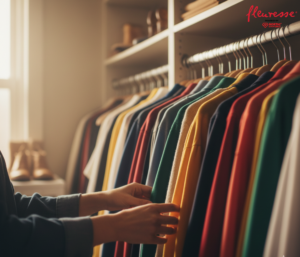
 Every morning, we stand in front of our closets making what seems like a simple decision: what to wear. But that choice carries more weight than we realize. The colors we select don’t just affect how others perceive us—they shape how we feel about ourselves throughout the entire day.
The Silent Language of Color
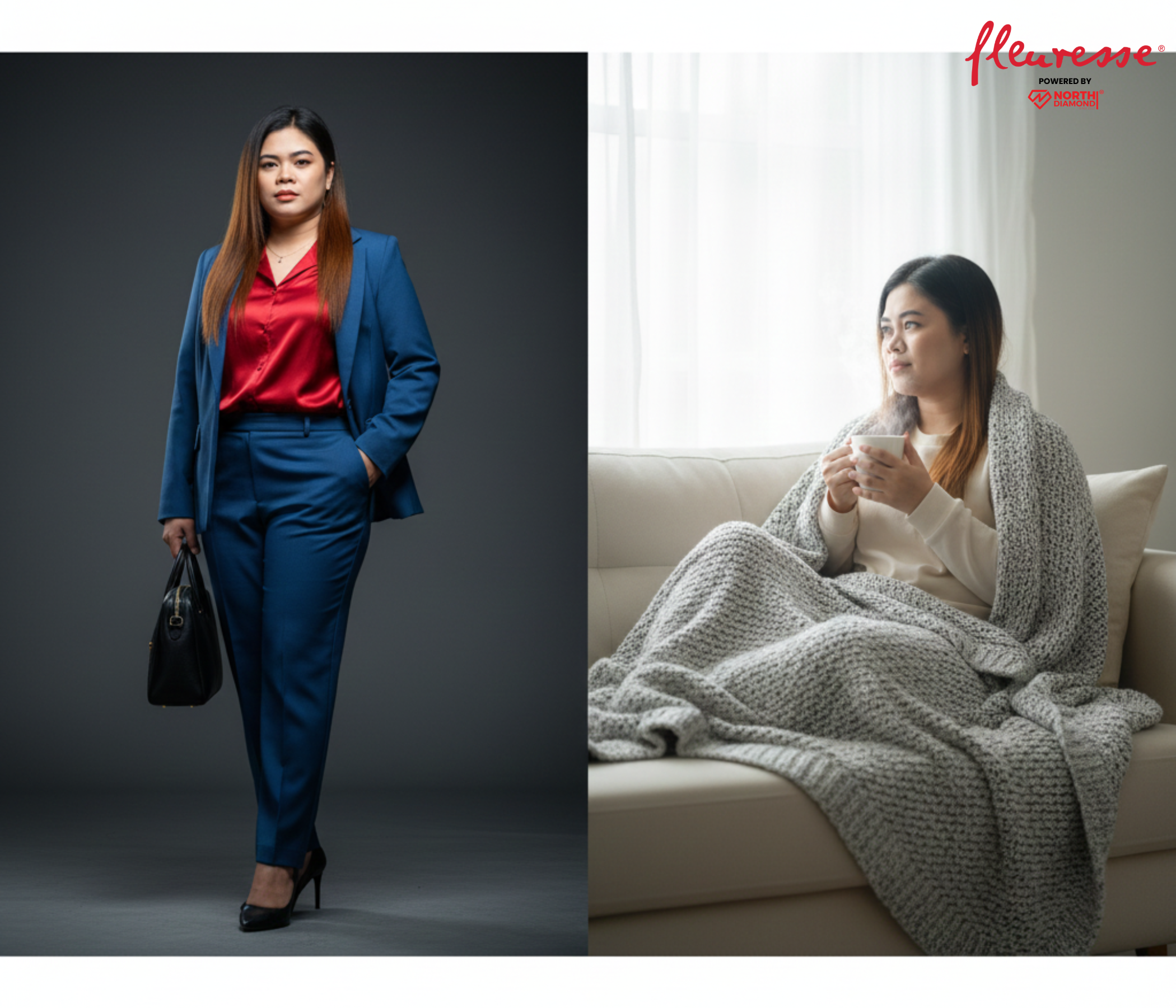
Research shows that wearing red can increase confidence and perceived dominance. It’s why power suits often come in deep crimson, why athletes in red uniforms statistically perform slightly better, why that bold red dress makes us stand a little taller. The color communicates before we even speak.
Blue, on the other hand, projects calm and trustworthiness. It’s no accident that corporate offices lean heavily on navy suits, that healthcare workers often wear blue scrubs, that first dates frequently involve someone choosing a blue shirt or dress. We instinctively reach for blue when we want to be seen as reliable and approachable.
Black carries sophistication and mystery, which explains its dominance in urban fashion. White suggests purity and simplicity, yellow radiates optimism and energy, green connects us to nature and growth. These aren’t arbitrary associations—they’re deeply embedded in human psychology, shaped by centuries of cultural evolution and biological responses.
Dressing for the Life We Want
Fashion psychologists have found that we don’t just dress for others—we dress for ourselves. The phenomenon called “enclothed cognition” suggests that what we wear changes how we think and behave. Put on athletic wear, and you might feel more motivated to exercise. Slip into formal attire, and you’re thinking becomes more abstract and big picture. The clothes, and their colors, literally alter our mental state.
This explains why we gravitate toward certain colors during different life phases. Going through a difficult time? Many of us unconsciously reach for darker, more protective colors. Feeling optimistic and energized? Suddenly our wardrobe bright with yellows, corals, and vibrant blues. We’re not just expressing our mood—we’re trying to influence it.
The Comfort Color Paradox
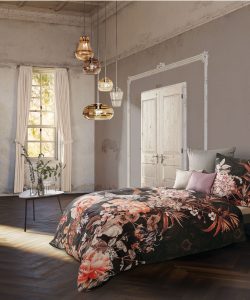
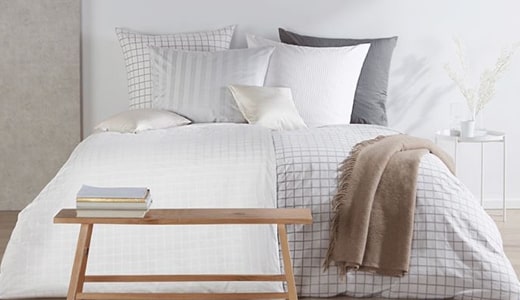
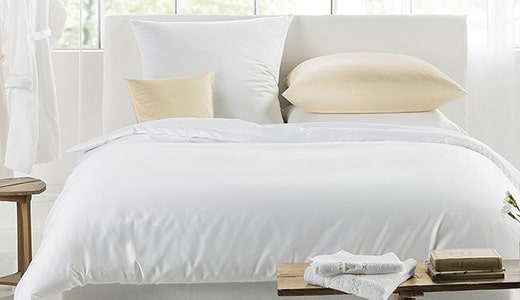
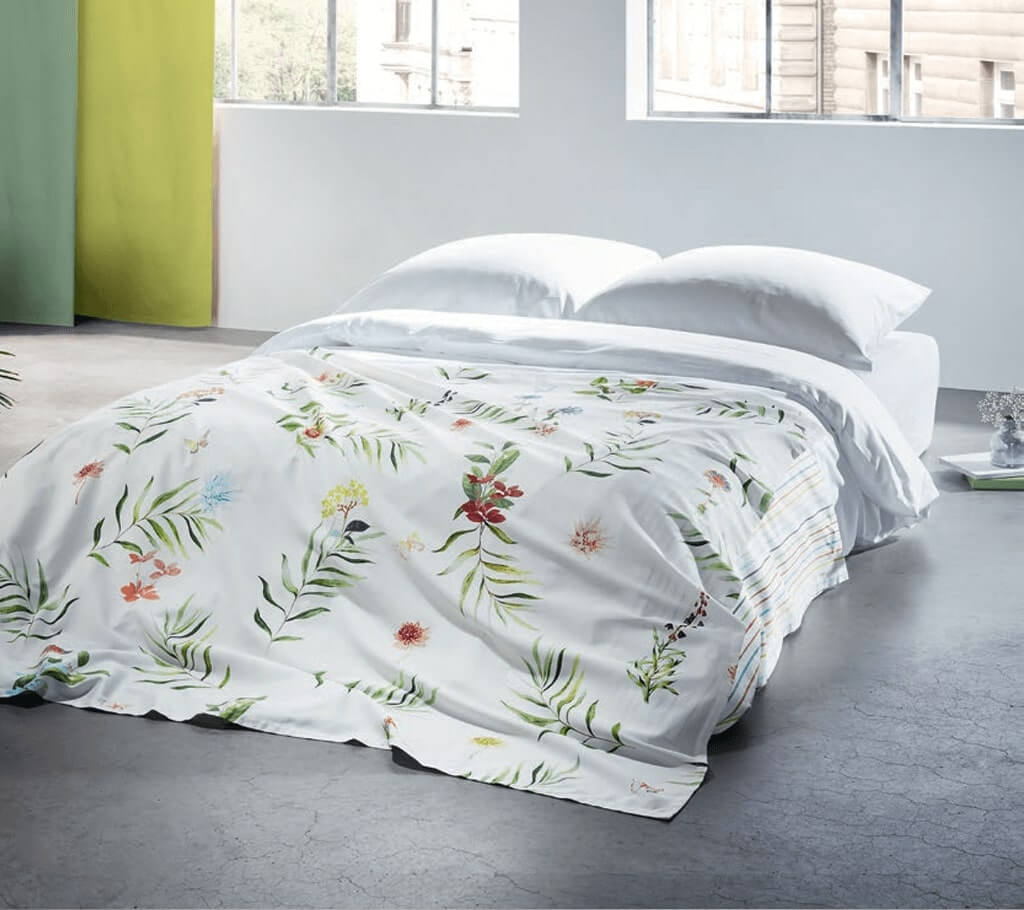
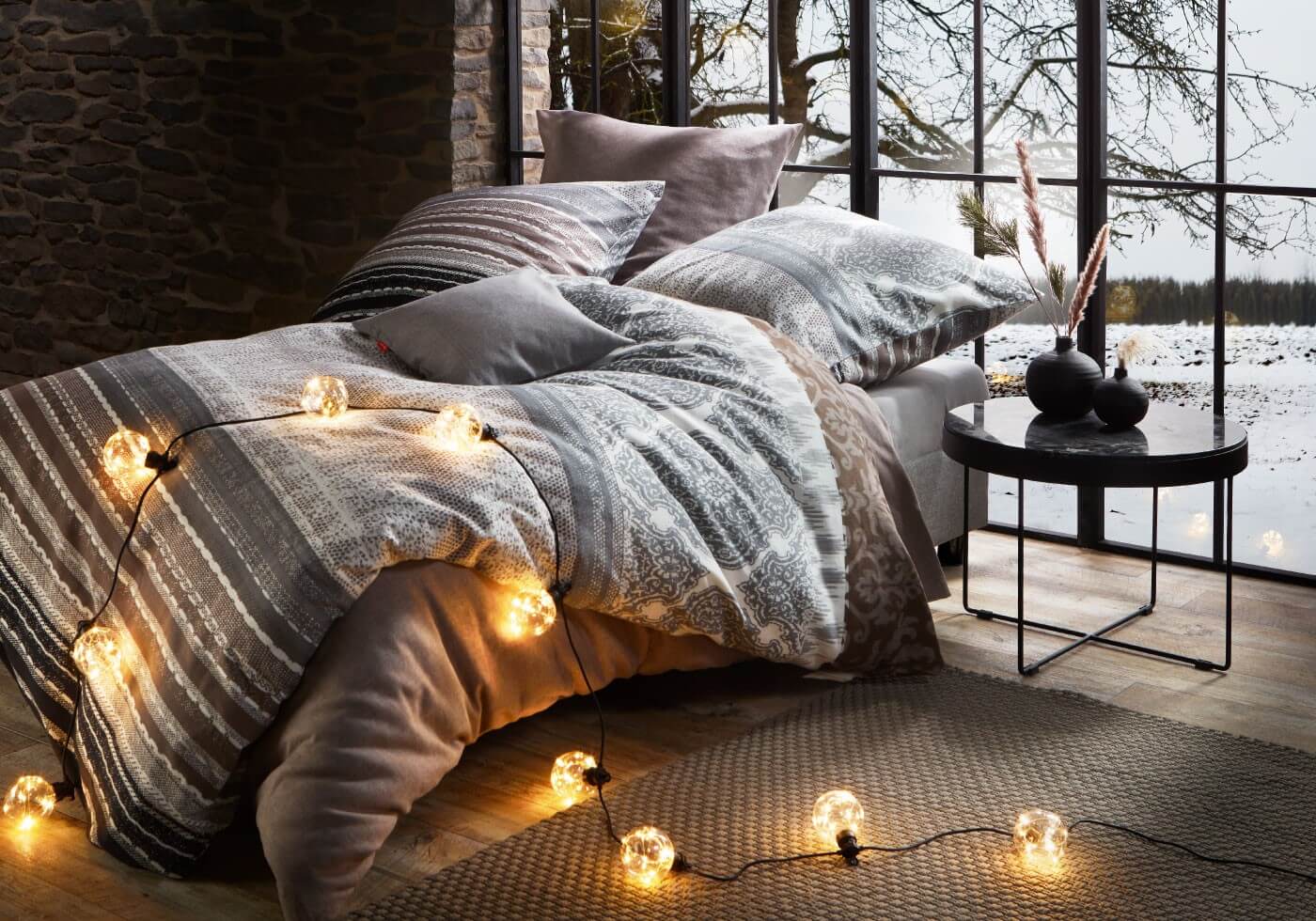
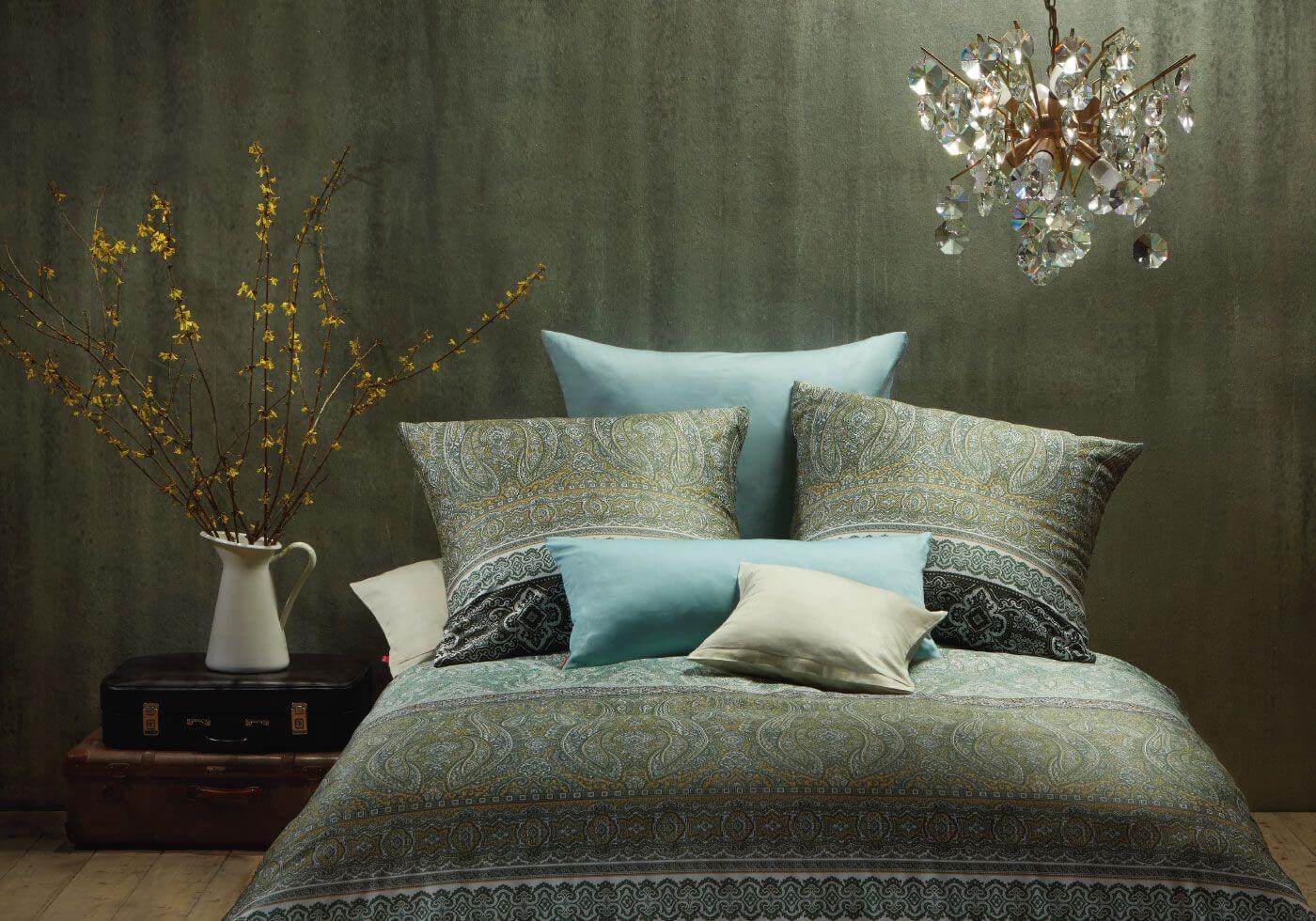
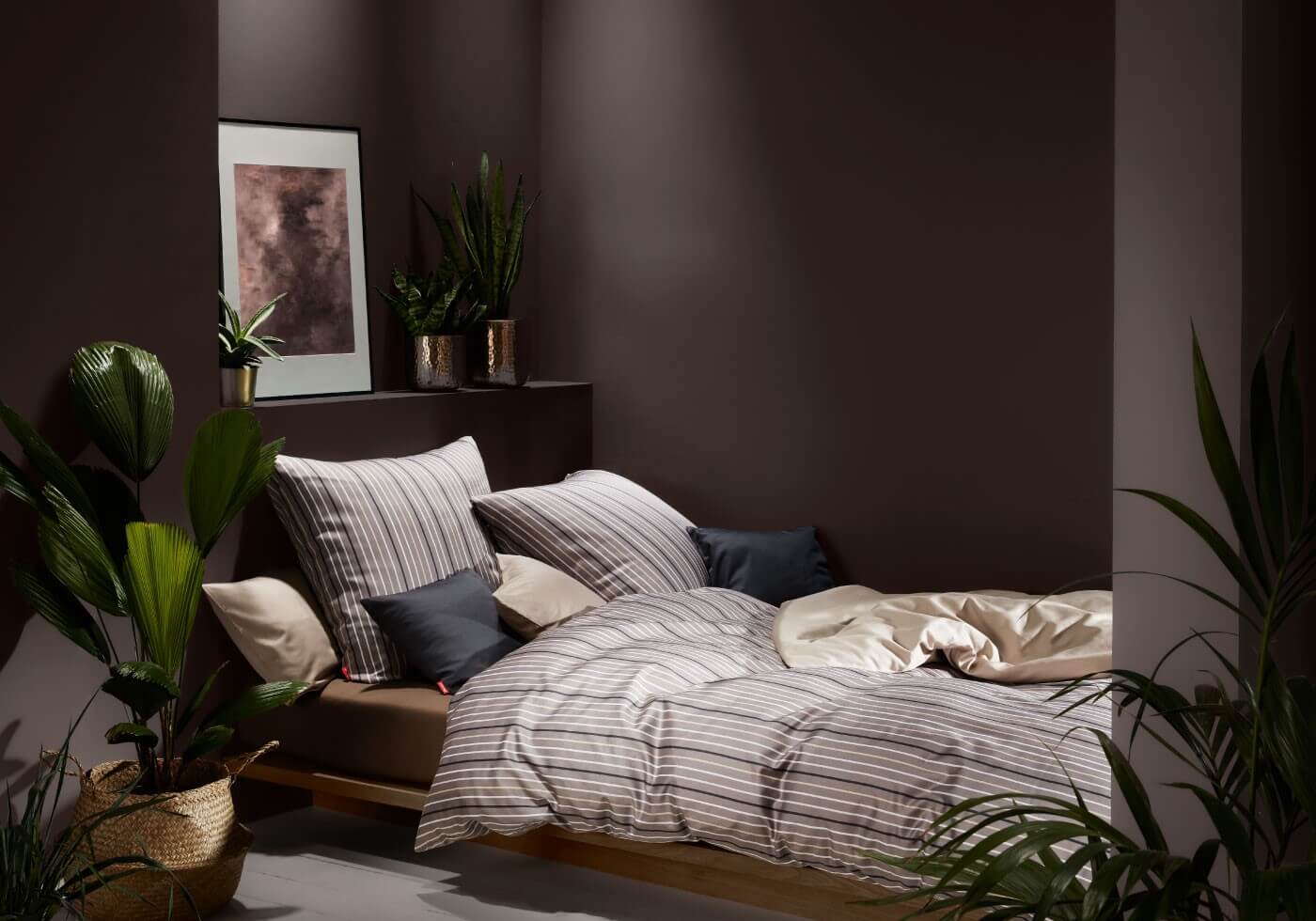
But here’s something interesting: when it comes to our most intimate spaces, the colors we choose shift dramatically. Our public fashion might be bold red and striking blacks, but our bedrooms? They trend overwhelmingly toward soft neutrals, gentle creams, calming whites and grays.
There’s psychology behind this too. Our bedrooms serve a fundamentally different purpose than our public personas. Where fashion helps us engage with the world, our private spaces need to help us recover from it. The soothing neutrals that might feel boring in a outfit become essential in spaces designed for rest and restoration.
Where Color Meets Comfort
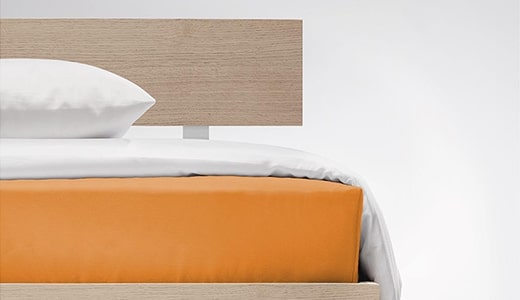
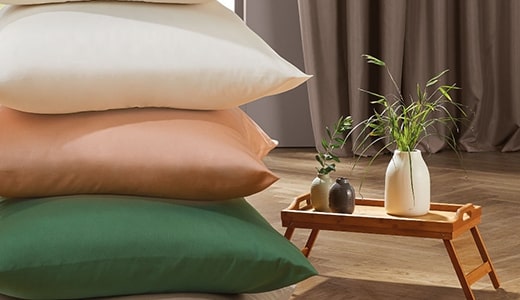
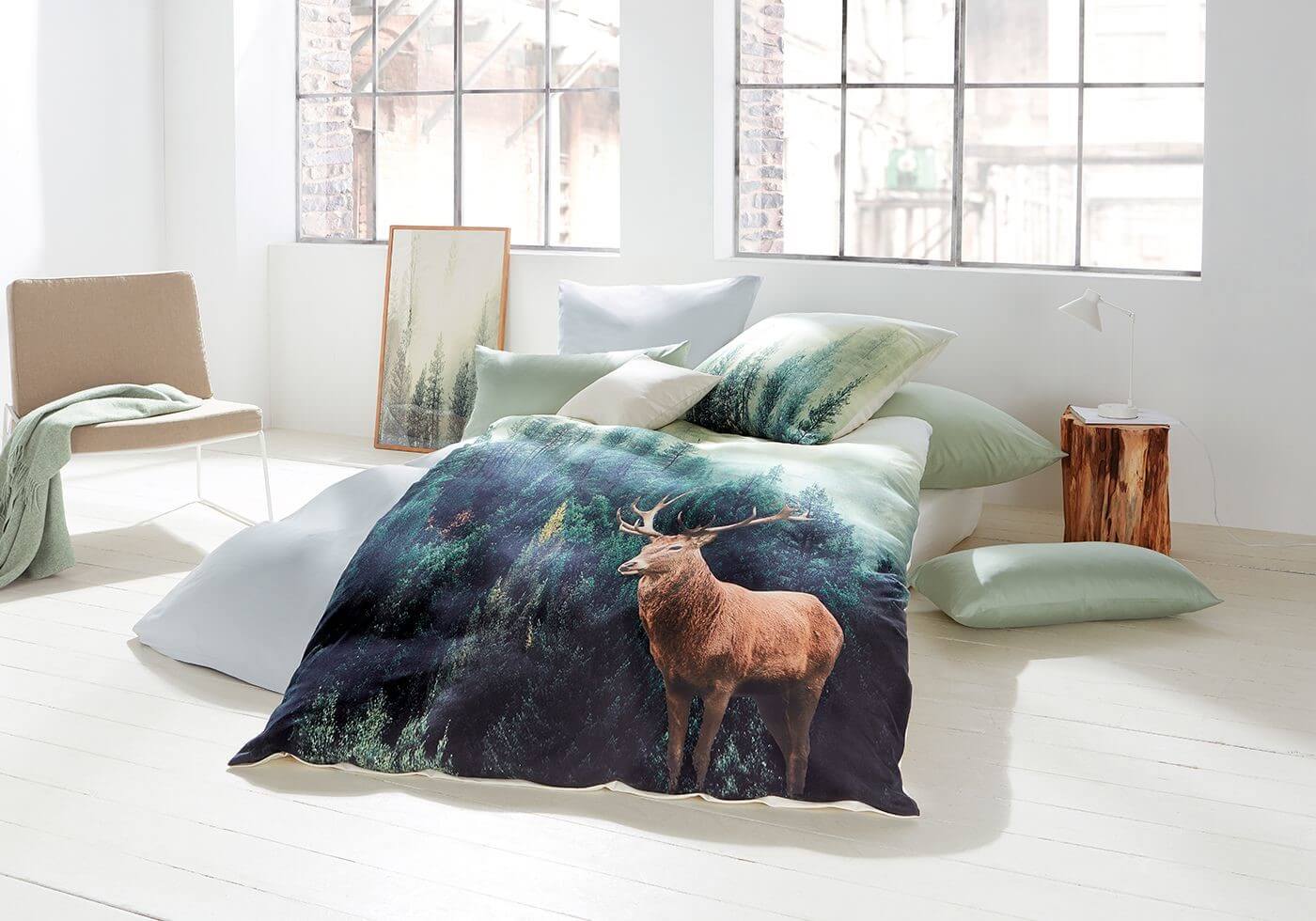
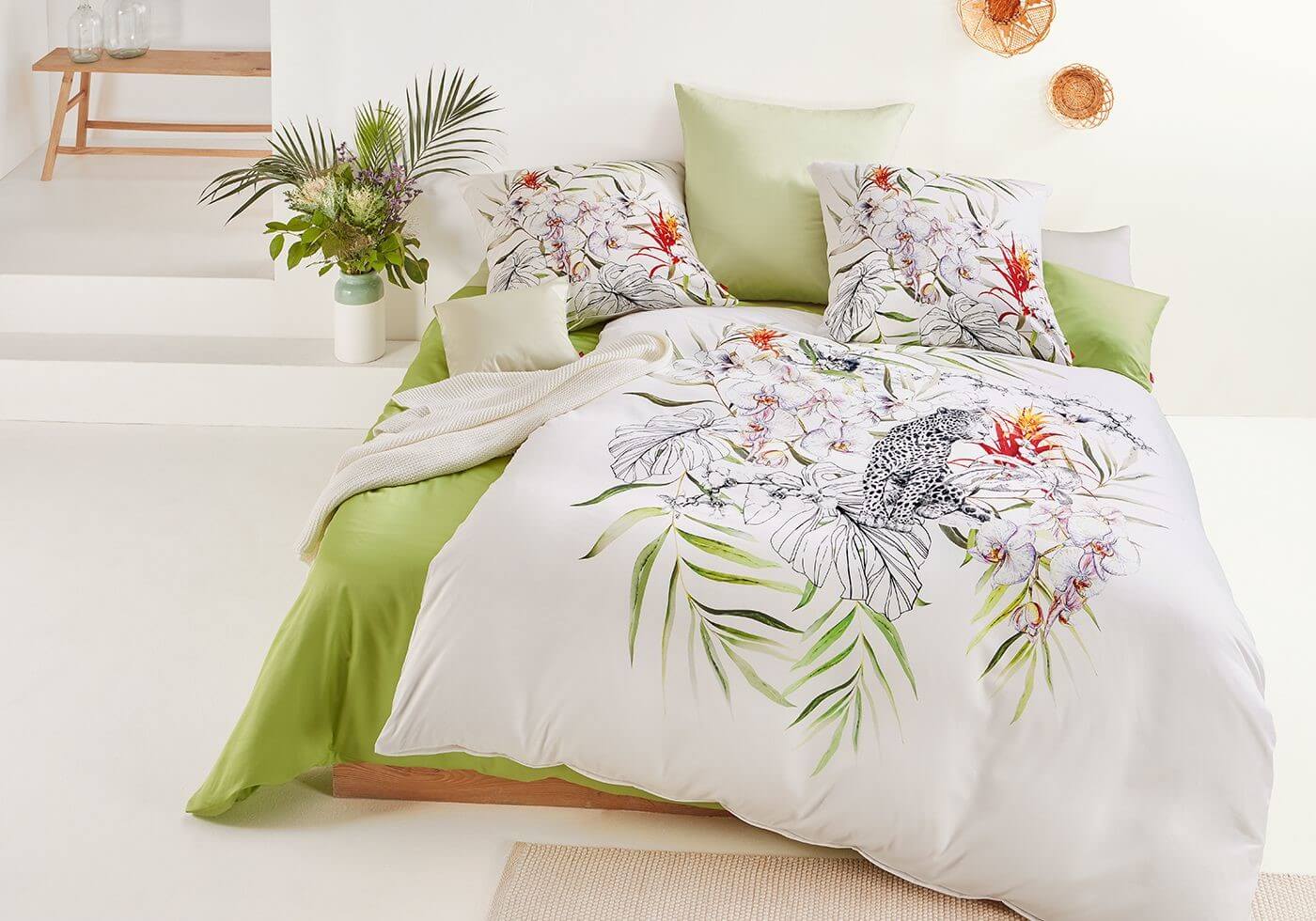
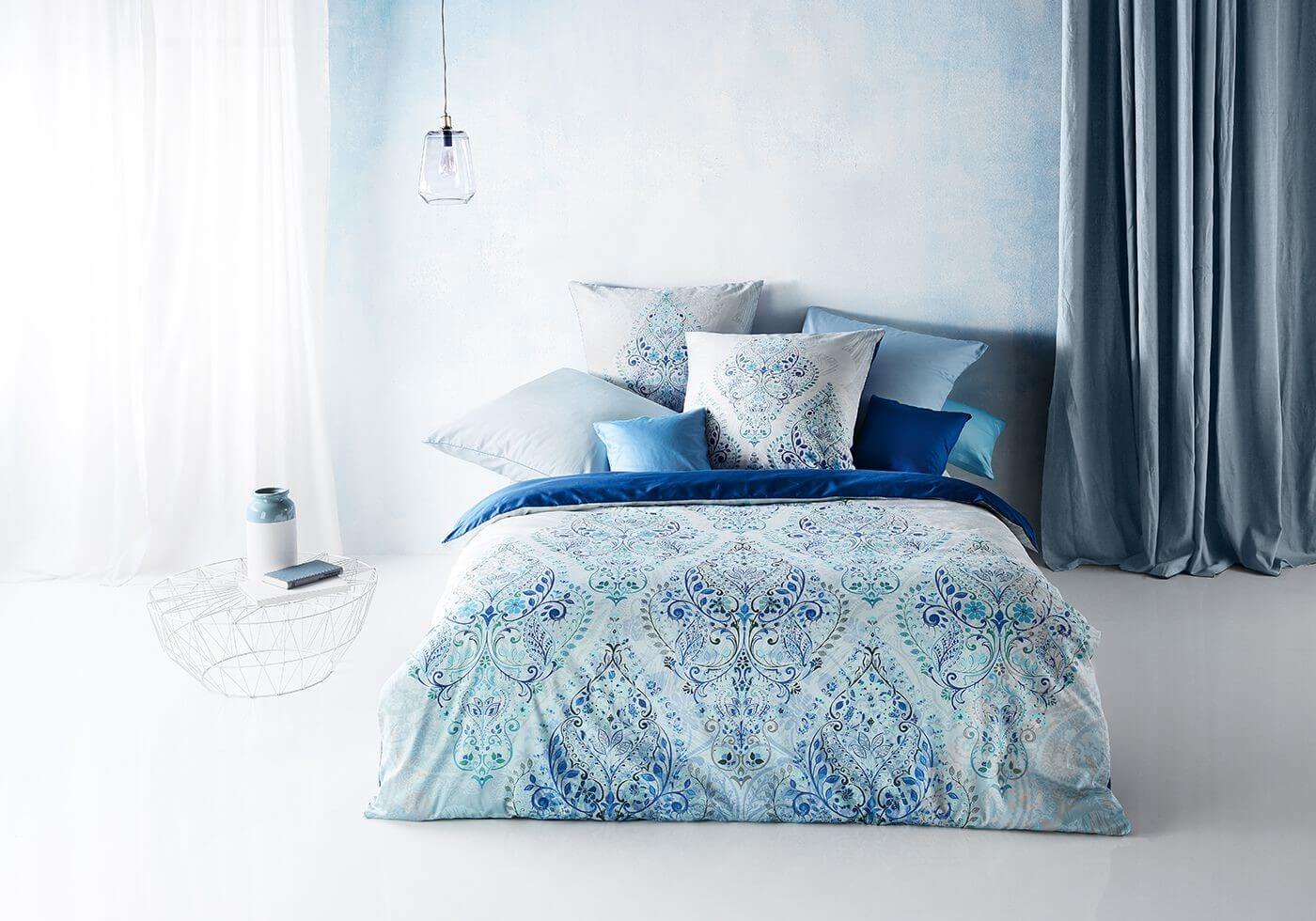
This is why quality matters as much as color in our most personal spaces. The soft whites and neutral tones we surround ourselves with at home aren’t about making a statement—they’re about creating sanctuary. Those North-Diamond epsilon linens in calming neutrals aren’t chosen to impress guests. They’re chosen because color psychology tells us that soft, natural tones promote better sleep and deeper relaxation.
Just as we carefully select what colors to wear based on how we want to feel and be perceived, we should be equally intentional about the colors that surround us during our most vulnerable hours. The difference is that fashion colors energize and project, while home colors should soothe and restore.
The Full Spectrum of Intentional Living
Understanding color psychology isn’t about following rigid rules. It’s about recognizing that color is a tool we can use intentionally. Want to feel more confident? Incorporate more red. Need to project trustworthiness? Reach for blue. Seeking to feel grounded and calm? Surround yourself with earth tones and soft neutrals.
The most psychologically aware people don’t just think about color in their wardrobe—they consider it in every aspect of their environment. The vibrant colors that serve us well in public spaces can be balanced by the gentle, restorative tones we choose for private ones. It’s not contradiction; it’s completing the full spectrum of how color affects our psychology.
Our fashion choices armor us for the day. Our home color choices restore us for the next one. Both matter. Both deserve thoughtful consideration. And both, when chosen with intention, can profoundly affect how we move through the world and how we recover from it.
The colors we wear tell our story to others. The colors we rest in tell our story to ourselves. Both are worth getting right.
Create your personal sanctuary with colors that restore. Explore North-Diamond epsilon’s collection of soothing, quality essentials at https://northdiamondepsilon.com.ph/ and discover how intentional color choices in your private spaces can transform your daily life.