
 You spend roughly a third of your life in bed, breathing in whatever is on your sheets and pillows. But have you ever considered what chemicals might be lurking in your bedding? The answer might surprise—and concern—you.
The Chemicals Hiding in Your Sheets
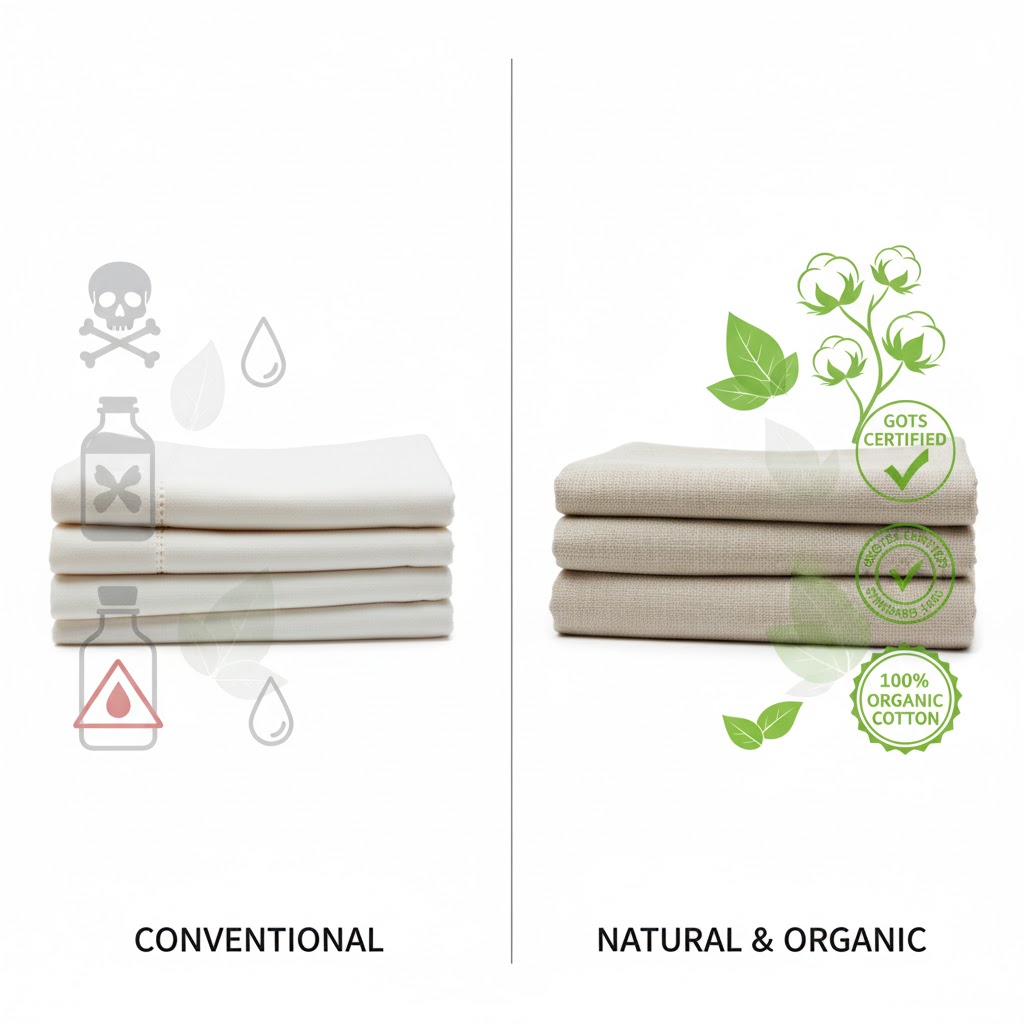
Many conventional bedding products contain chemicals you’d never knowingly invite into your bedroom:
Formaldehyde: Used to make fabrics wrinkle-resistant and prevent mildew during shipping. This known carcinogen can cause skin irritation, respiratory issues, and allergic reactions.
Flame Retardants: Added to meet flammability standards, these chemicals have been linked to hormone disruption, developmental issues, and even cancer risk.
Azo Dyes: Synthetic dyes that can break down into carcinogenic compounds and cause skin sensitivity.
Pesticides: Cotton is one of the most heavily sprayed crops worldwide. Residual pesticides can remain in non-organic cotton fabrics.
Phthalates: Found in synthetic materials and waterproof mattress protectors, these chemicals disrupt hormones and may affect reproductive health.
Perfluorinated Chemicals (PFCs): Used for stain-resistant treatments, PFCs accumulate in the body and environment, posing long-term health risks.
Why This Matters for Your Health
You’re in direct contact with your bedding for 7-9 hours every night. Your skin absorbs chemicals, and you breathe them in as they off gas from fabrics. This prolonged exposure can lead to:
Children and those with sensitivities are especially vulnerable to these chemical exposures.
How to Spot Chemical-Laden Bedding
Red flags to watch for:
Choosing Safer Bedding
Look for these certifications:
Opt for natural materials: Organic cotton, linen, bamboo, and natural latex contain fewer chemicals and are better for your health and the environment.
Read labels carefully: Choose products that clearly state they’re free from harmful chemicals and disclose their manufacturing processes.
Sleep Clean, Sleep Healthy
Your bedroom should be a sanctuary, not a source of chemical exposure. Making informed choices about your bedding protects your health and improves your sleep quality.
At North Diamond Epsilon, we prioritize your health and wellbeing. Our bedding collection features safe, high-quality materials that you can trust against your skin every night.
Ready to make the switch to cleaner sleep? Discover our range of safe, comfortable bedding options at northdiamondepsilon.com.ph.
Your health matters—choose bedding that cares for you as much as you care for your sleep.