
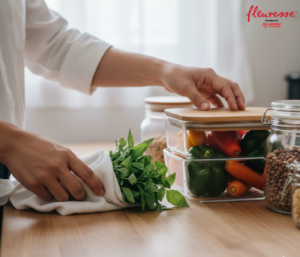
 The wilted lettuce in the crisper drawer stared accusingly at Nina. She’d bought it with good intentions last week, planning healthy salads for dinner. Instead, it sat untouched while she ordered takeout three nights in a row. The guilt extended beyond the wasted money—she’d thrown away perfectly good food while millions went hungry, wasted resources used to grow and transport it, contributed to landfill waste producing methane.
This scene repeated itself weekly in her refrigerator. Moldy berries, spoiled milk, vegetables turned to mush, leftovers forgotten until they smelled suspicious. Nina wasn’t wasteful by nature—she was just busy, disorganized, and operating without systems preventing waste.
The Scale of the Problem
Filipino households waste an estimated 9.2 million tons of food annually. Not restaurant waste or commercial loss—just home kitchens throwing away food that was purchased with intention but never consumed. The waste happens not from malice but from lack of planning, over-purchasing, poor storage, and forgetting what’s already in the refrigerator.
The environmental cost is staggering. Food waste in landfills produces methane, a greenhouse gas far more potent than carbon dioxide. The water, energy, and resources used to grow, transport, and package wasted food represent squandered environmental investment. We’re essentially converting natural resources directly into garbage without even extracting their intended value.
But environmental guilt, while valid, rarely changes behavior long-term. What worked for Nina was recognizing the personal cost—money wasted, time spent shopping for replacements, stress of disorganization, and the nagging sense of not living according to her values.
The Practical Changes
Nina started with meal planning. Not elaborate weekly menus—just rough plan for next few days. What proteins, what vegetables, what meals seemed realistic given her actual schedule. This simple practice cut her grocery purchases by thirty percent because she stopped buying ingredients for meals she’d never actually cook.
She implemented “shop the fridge first” rule—before buying anything new, use what’s already there. That week-old broccoli became stir-fry. Leftover rice transformed into fried rice. Random vegetables became soup or omelets. Creativity increased as waste decreased.
Proper storage made surprising difference. Learning that herbs stay fresh longer wrapped in damp paper towel, that berries last longer unwashed until ready to eat, that some vegetables prefer room temperature over refrigeration—these small knowledge gains extended food life significantly.
Batch cooking and intentional leftovers became strategy rather than accident. Cook once, eat multiple times. Make extra rice for tomorrow’s fried rice. Roast enough chicken for sandwiches later in the week. Plan for leftovers instead of treating them as unfortunate byproducts.
The Sustainability Mindset
What Nina discovered was that reducing food waste connected to broader sustainability mindset. Once you start noticing waste in kitchen, you notice it everywhere. Single-use items that could be replaced with reusables. Products bought impulsively then barely used. Resources consumed without full value extraction.
This awareness extends to everything you bring into your life and home. The sustainability question isn’t just about food—it’s about whether you’re using what you have fully, whether you’re investing in quality that lasts, whether your consumption patterns align with your values.
The same intentionality that reduces food waste applies to all purchases. Buy what you’ll actually use. Invest in quality that lasts rather than cheap items needing frequent replacement. Take care of what you have so it serves you longer. These principles work for food, clothing, household items—everything.
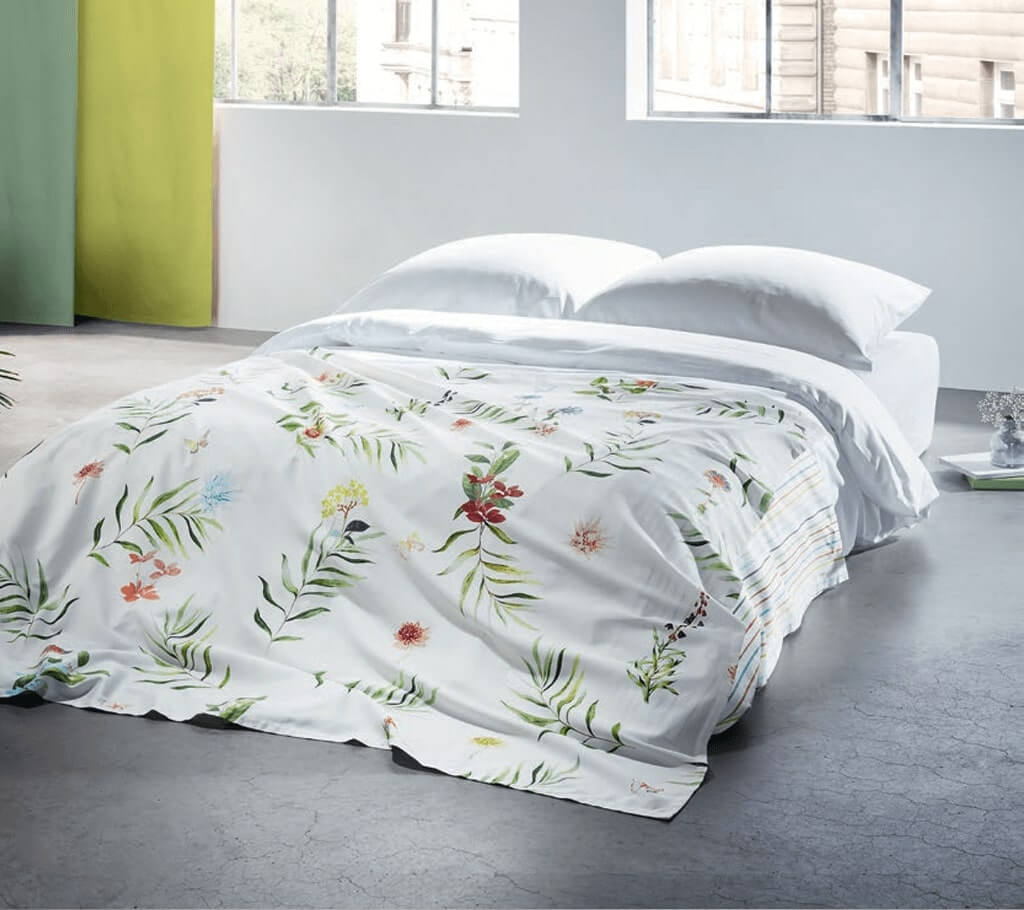
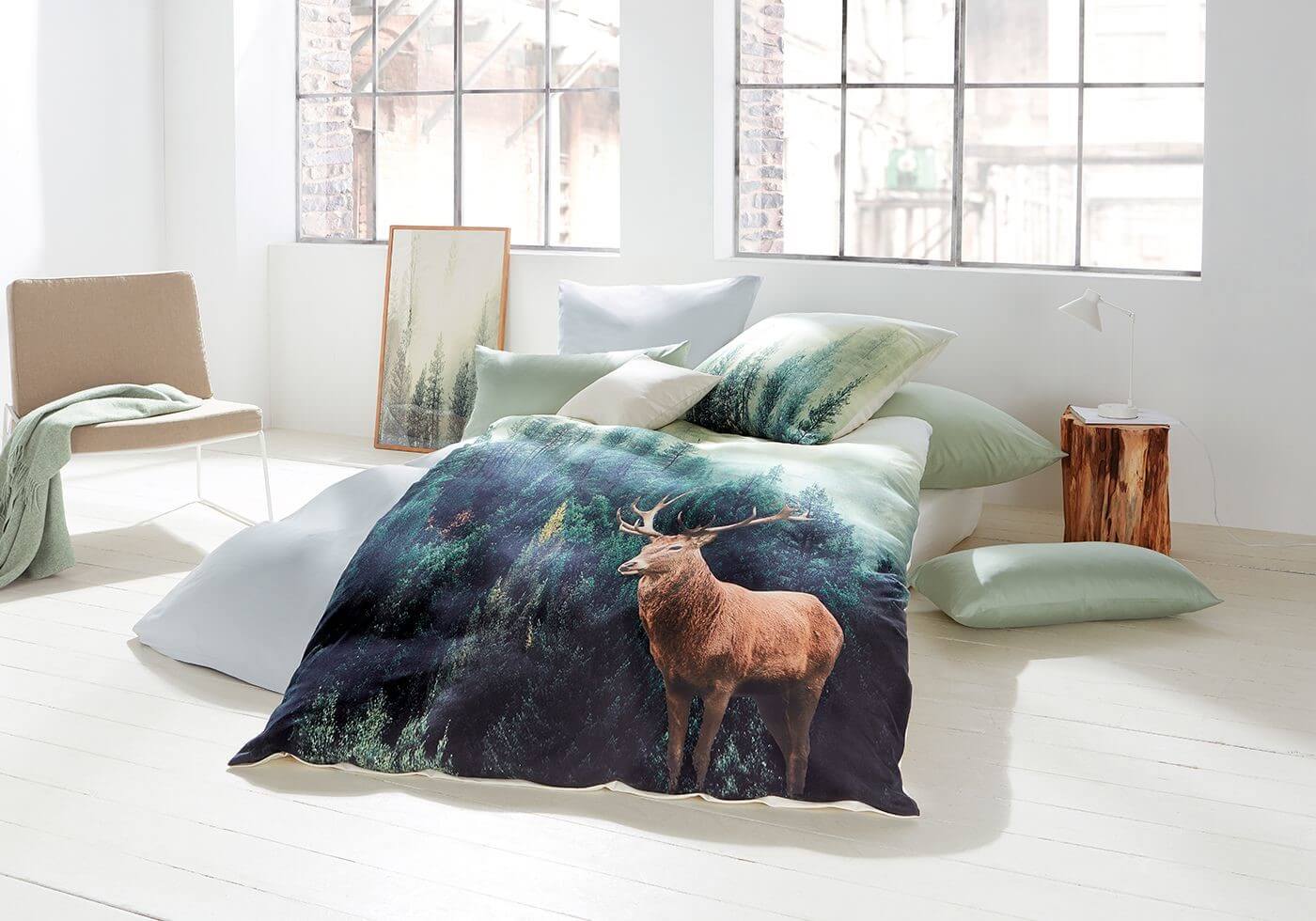
When Nina started thinking about sustainability broadly, her home purchases changed. Quality over quantity became default. Items designed to last years rather than seasons. Products that could be repaired rather than replaced. This included investing in proper bedding from North-Diamond epsilon—sheets that would last years with proper care rather than cheap alternatives needing annual replacement.
Sustainability isn’t just environmental—it’s economic and practical. Wasting less food saves money. Buying quality that lasts costs less over time than repeatedly replacing cheap items. Living intentionally reduces stress and clutter. The sustainable choice often becomes the personally beneficial choice when you calculate actual long-term cost and value.
The Daily Practice
Six months into her waste-reduction journey, Nina’s kitchen transformed. Her refrigerator stayed organized because she knew what was in it and had plans for using it. Her grocery bills dropped while her meal quality improved because she focused on using ingredients fully rather than accumulating variety she’d never consume.
The guilt disappeared, replaced by satisfaction. Using food before it spoiled felt like small victory. Finding creative ways to use leftovers became enjoyable challenge rather than depressing obligation. Her kitchen waste bin, once overflowing with spoiled food, now contained mainly inedible scraps.
The changes required no dramatic sacrifice, just attention and system. Plan before shopping. Shop based on actual plans. Store food properly. Use what you have before buying more. It’s not complicated—it’s just intentional.
Reducing food waste doesn’t solve all environmental problems, but it’s tangible action within your control. You can’t fix industrial agriculture or global food distribution, but you can stop throwing away the lettuce you bought with good intentions. Small individual changes, multiplied across millions of households, create meaningful impact.
Start this week. Before your next grocery run, use what’s already in your refrigerator. Plan meals around existing ingredients. Buy only what you’ll realistically use. Store food properly to extend its life. These aren’t sacrifices—they’re smart practices saving money while reducing waste.
Sustainable eating begins with sustainable thinking—recognizing that every choice, from food to home essentials, reflects values and creates consequences. Reduce waste by using what you have fully, investing in quality that lasts, and being intentional about what you bring into your life. It’s better for the planet and better for you.
Live sustainably in all aspects. Explore North-Diamond epsilon’s collection at https://northdiamondepsilon.com.ph/ and invest in quality designed to last, reducing waste through durability and intentional design.