
 Miguel crosses the finish line of his first marathon, collects his finisher’s medal, and immediately faces a decision he hadn’t properly planned for: what should he eat right now, when, and how much? His legs are cramping, his stomach feels uncertain, and conflicting advice from fellow runners isn’t helping. Someone handed him a banana. Another runner insists he needs protein immediately. His training partner says to wait until his stomach settles.
Post-race nutrition confuses many runners because the science seems complicated and the immediate post-race state—exhausted, possibly nauseous, sometimes too tired to chew—makes eating strategically difficult. Understanding what your body needs after crossing that finish line can mean the difference between quick recovery and days of unnecessary soreness.
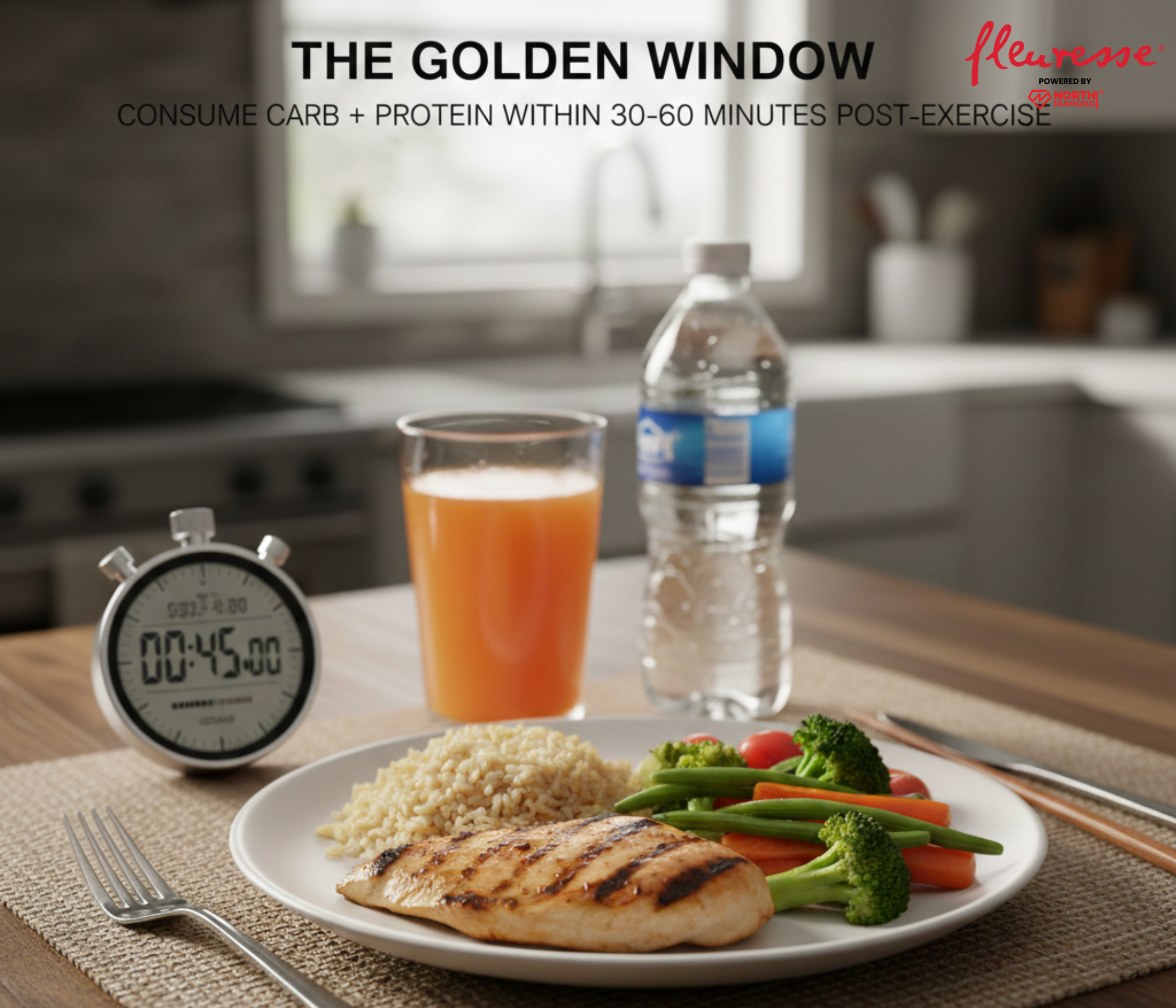
The Golden Window: Real Science or Marketing Myth?
For years, sports nutritionists emphasized a strict “golden window”—a thirty-minute period immediately post-exercise when your body supposedly absorbs nutrients with maximum efficiency. Recent research has softened this absolutism. While nutrient timing matters, the window is more forgiving than previously believed, extending to about two hours for most recovery benefits.
However, there’s truth in prioritizing relatively quick post-race nutrition. Your muscles are primed to absorb glucose and begin repair processes. Glycogen stores are depleted and need replenishing. Muscle tissue damaged during the race starts rebuilding. Getting nutrients in within the first hour or two optimizes these processes, though missing the exact thirty-minute mark won’t destroy your recovery.
For runners like Miguel completing his first marathon, this means not stressing about eating immediately if he feels too nauseous but not waiting three or four hours either. Finding that middle ground where his stomach can handle food and his body can use it effectively is the practical goal.
The Carb-to-Protein Ratio That Actually Works
Sports science generally recommends a post-race carbohydrate-to-protein ratio of roughly 3:1 or 4:1 for endurance athletes. This means if you consume thirty grams of carbs, you’d pair them with about seven to ten grams of protein. The carbohydrates replenish glycogen stores depleted during the race. Protein provides amino acids necessary for muscle repair and rebuilding.
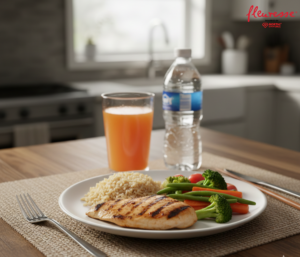
Filipino runners have an advantage here: our traditional foods naturally provide these ratios. Rice with chicken or pork delivers carbs with protein. Pancit offers noodles with meat and vegetables. Even the post-race snacks at local races—bananas paired with hard-boiled eggs—approximate the recommended ratio.
The key is not obsessing over exact calculations while exhausted post-race but understanding the general principle: your body needs both fuel (carbohydrates) and building blocks (protein) for optimal recovery. One without the other leaves recovery incompletely.
Immediate Post-Race: The First Hour
Right after crossing the finish line, most runners don’t want a full meal. Appetite is suppressed, the stomach may feel unsettled, and exhaustion makes chewing feel like too much effort. This is normal and expected after hard racing.
Start with easily digestible carbohydrates and hydration. Sports drinks that contain both electrolytes and carbohydrates serve double duty. Bananas, energy bars, or rice cakes provide quick carbs without overwhelming the stomach. Chocolate milk has become popular among runners because it naturally provides carbs, protein, and hydration in ratios that work well for recovery.
Miguel sips a sports drink slowly while stretching, then manages a banana about twenty minutes post-race when his nausea subsides. He’s not forcing a full meal yet, but he’s beginning the refueling process while his body is still maximally receptive to nutrient absorption.
The Recovery Meal: One to Two Hours Later
Once the immediate post-race period passes and appetite returns, consuming a more substantial recovery meal becomes important. This should provide adequate carbohydrates to restore glycogen, sufficient protein to support muscle repair, and nutrients to address the inflammation and oxidative stress caused by intense exercise.
For Filipino runners, ideal recovery meals might include chicken adobo with plenty of rice, sinigang with rice and fish, or even just lugaw with chicken and eggs. These aren’t special sports foods requiring expensive supplements—they’re familiar Filipino dishes that happen to provide exactly what recovering muscles need.
The meal should be substantial enough to provide real nutrition but not so large that it overwhelms a tired digestive system. Moderate portions of familiar foods tend to work better than large quantities of anything, particularly foods you haven’t eaten regularly during training.
Hydration’s Crucial Role
While much post-race focus lands on solid food, hydration deserves equal attention. Races, especially in Philippine heat and humidity, cause significant fluid and electrolyte losses through sweat. Simply replacing fluid volume isn’t enough—you also need to restore sodium, potassium, and other electrolytes.
Sports drinks help, but for longer recovery periods, consuming sodium through actual food works well. Soup provides both hydration and sodium. Salty snacks aren’t automatically bad post-race—they can help restore electrolyte balance. Coconut water offers natural electrolytes, though it contains less sodium than sports drinks.
Miguel continues drinking throughout the afternoon post-race, alternating between water and sports drinks, ensuring his urine gradually returns to pale yellow rather than dark and concentrated.
The Sleep-Recovery Connection
What runners often neglect in post-race recovery planning is the critical role of quality sleep. Nutrition provides raw materials for recovery, but sleep is when the actual repair and rebuilding occur. Your body releases growth hormone primarily during deep sleep. Muscle protein synthesis peaks during rest. Glycogen restoration continues most efficiently during sleep.
At North Diamond Epsilon, we work with endurance athletes who understand that post-race recovery extends beyond nutrition into sleep quality. After depleting your body through a marathon or half-marathon, sleeping on uncomfortable, heat-trapping sheets means your recovery is compromised regardless of how well you fueled.
Premium Fleuresse bed linens designed for tropical conditions become particularly important post-race when your body is working overtime on repair processes. Temperature regulation helps prevent sleep disruption. Natural, breathable fabrics reduce discomfort. The better you sleep after racing, the faster your body completes the recovery processes that nutrition has initiated.
The Days-After Recovery Protocol
Post-race nutrition isn’t just about the immediate hours after finishing. The subsequent days matter as your body continues to repair work. Continuing to eat adequate protein supports ongoing muscle rebuilding. Maintaining carbohydrate intake helps fully restore glycogen stores. Consuming anti-inflammatory foods like fruits, vegetables, and omega-3 fatty acids can reduce prolonged soreness.
Filipino diets naturally include many recovery-supporting foods. Fish provides protein and omega-3s. Rice supplies steady carbohydrate energy. Vegetables and tropical fruits deliver antioxidants and vitamins. The challenge isn’t finding special foods but ensuring adequate portions and consistent intake during the recovery period.
When Rest Meets Nutrition
Miguel’s first marathon recovery combines proper nutrition with serious rest. He ate strategically in those crucial first hours after finishing. He consumed recovery meals with appropriate carb-to-protein ratios over the following days. But he also prioritized sleep, understanding that his body needed quality rest to use those nutrients for repair.
Upgrading to quality bed linens for his post-marathon recovery meant sleeping more comfortably despite muscle soreness. Clean air from an air purifier supported easier breathing during rest. Creating optimal recovery conditions meant his body could focus on repair rather than fighting discomfort or poor air quality.
The Complete Recovery Picture
Post-race nutrition is crucial, but it’s one component of comprehensive recovery. Strategic eating provides necessary raw materials. Quality hydration maintains physiological function. Adequate sleep creates an environment where repair happens. Clean air supports respiratory recovery. Comfortable surroundings reduce stress that can slow healing.
At North Diamond Epsilon, we position our products as part of athletes’ recovery infrastructure. You can’t out-eat poor sleep. You can’t supplement your way out of inadequate rest. Premium bedding and air quality aren’t luxuries for athletes—they’re tools that enable the recovery your nutrition is trying to support.
Race day reveals you’re training. Recovery reveals your preparation for what comes next. Feed your body strategically, hydrate deliberately, and rest in environments that support the repair processes your race efforts demand.
Support your athletic recovery with sleep environments designed for serious athletes. Explore our collection at northdiamondepsilon.com.ph