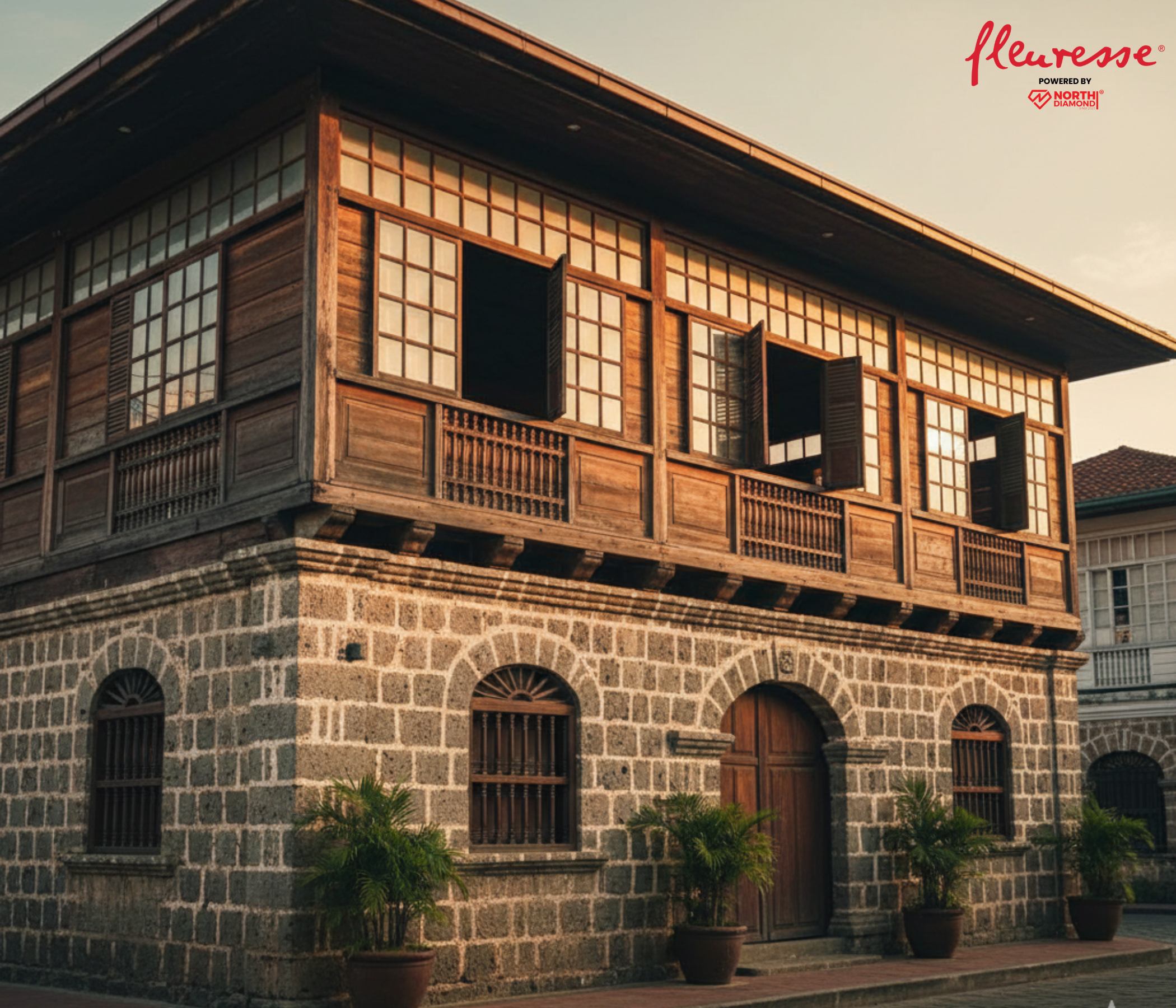

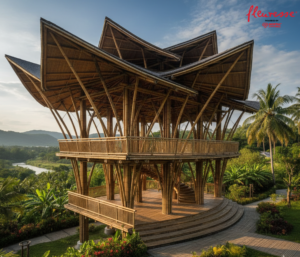
 Stand in front of the Coconut Palace in Manila and you’ll understand something fundamental about Filipino architecture—it’s never been about copying what works elsewhere. It’s about taking what we have, what grows here, what makes sense in our climate, and turning it into something distinctly ours.
Built in 1981 from indigenous materials like coconut shells, lumber, and local hardwoods, the Coconut Palace was designed to showcase that Filipino craftsmanship could compete with anything in the world. Every room uses a different Philippine wood. The chandeliers are made from Capiz shells. The entire structure proves that luxury doesn’t require importing materials from halfway around the globe when you’re surrounded by natural abundance.
The Bahay Kubo Philosophy
Long before the Coconut Palace, our ancestors understood tropical architecture perfectly. The traditional Bahay Kubo wasn’t just charming—it was engineered brilliantly for Philippine conditions. Elevated floors kept living spaces above flood waters and allowed air circulation underneath. Steep roofs shed tropical rain efficiently. Large windows and open designs maximized cross-ventilation. Light, natural materials like bamboo and nipa made structures flexible enough to withstand typhoons and earthquakes.
Modern Filipino architecture still carries this DNA. Walk through contemporary Philippine homes and you’ll see the same principles expressed in new materials—floor-to-ceiling windows for airflow, high ceilings for heat management, natural materials that work with our climate rather than fighting it.
What We Can Learn Today
The architectural icons of the Philippines teach us something important about living well in tropical conditions: work with nature, not against it. Use materials that breathe. Design for airflow. Embrace natural light while protecting from heat. Choose what’s abundant locally over what requires complicated supply chains.
These principles apply beyond walls and roofs. They extend to everything we bring into our homes, including the most personal spaces where we spend a third of our lives—our bedrooms.
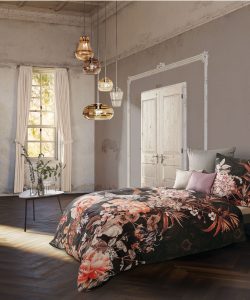
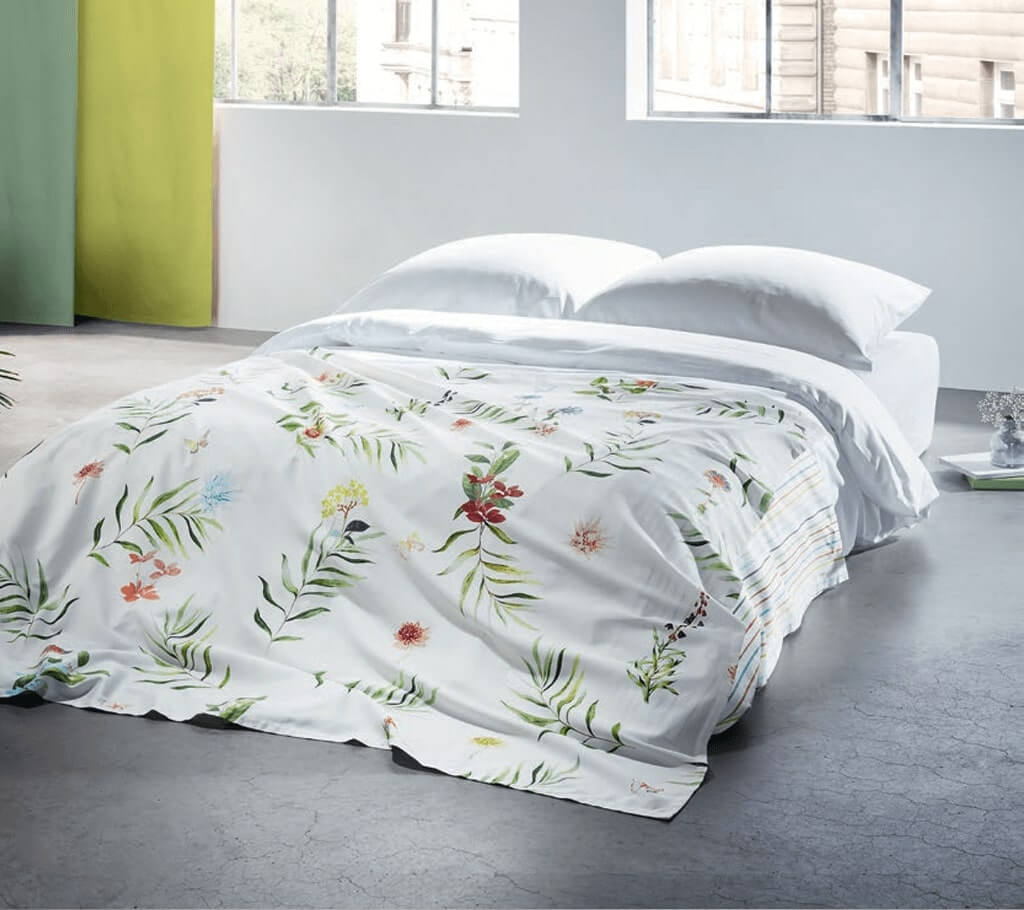
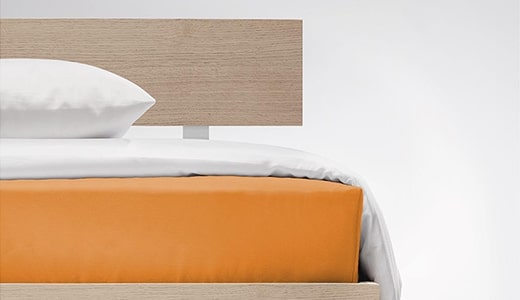
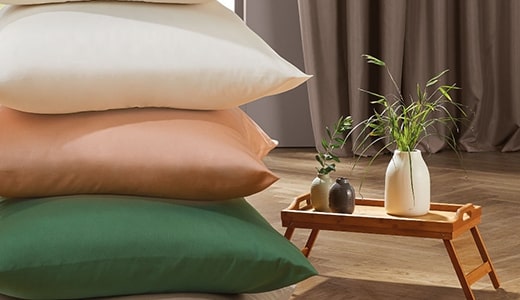
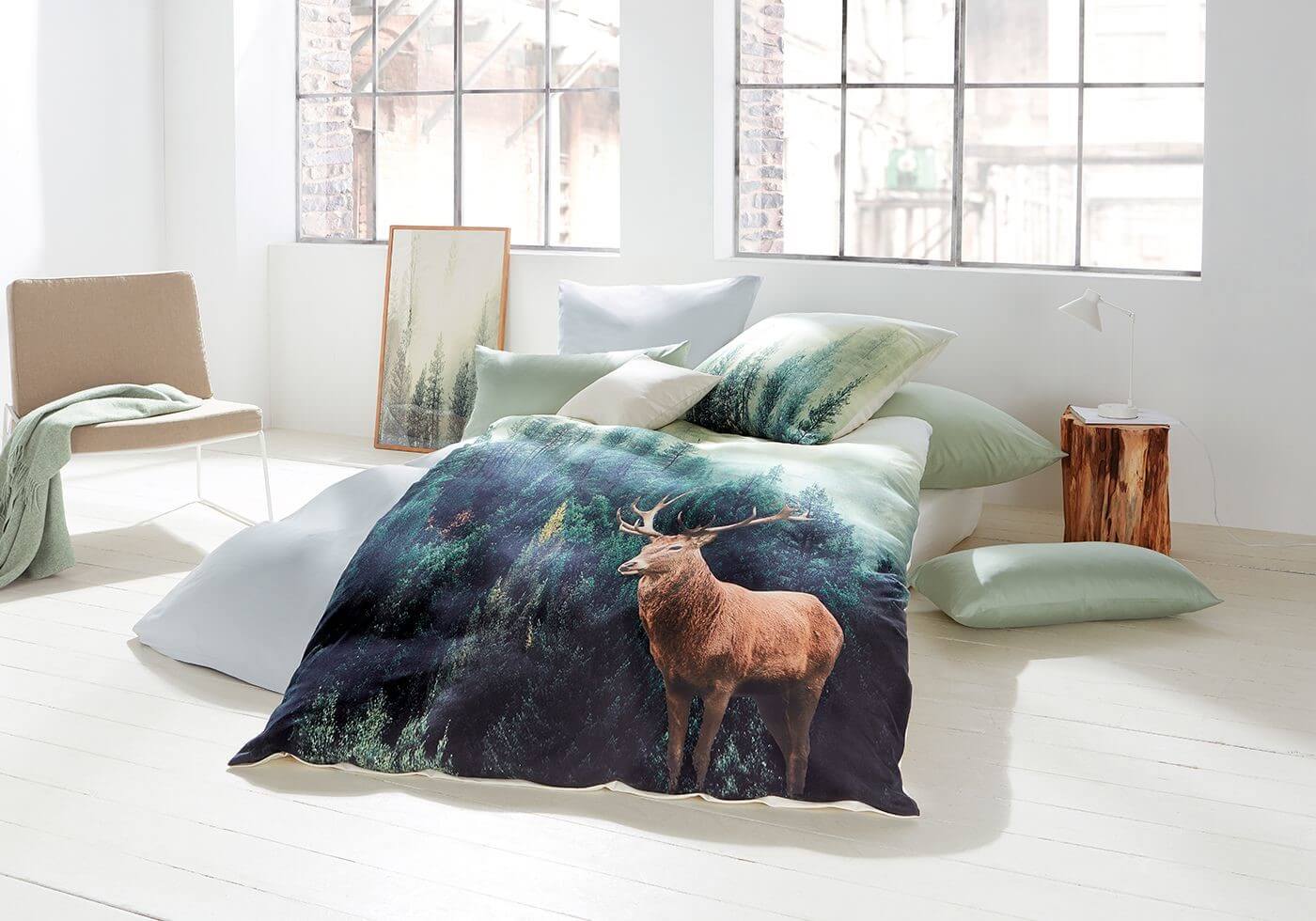
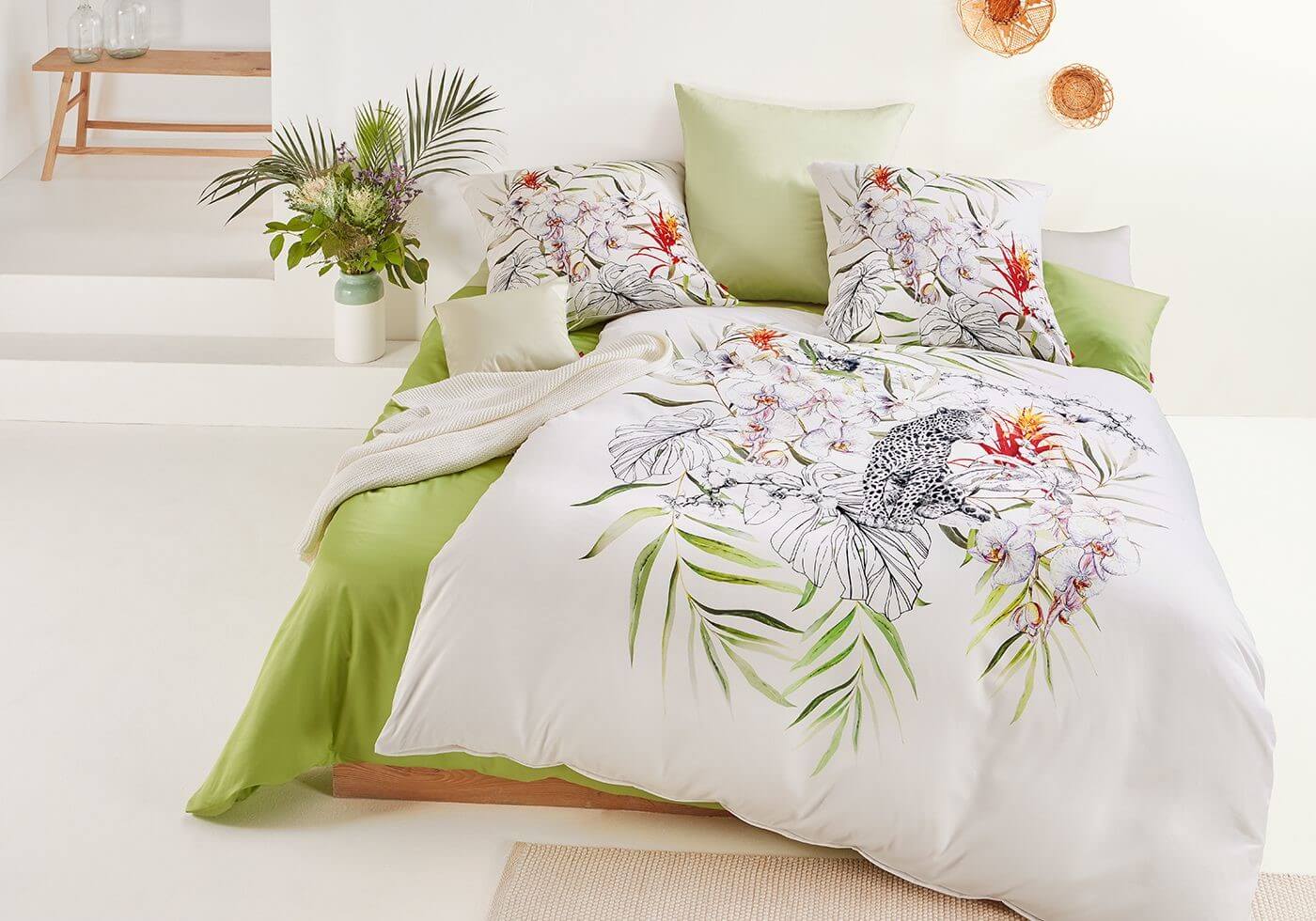
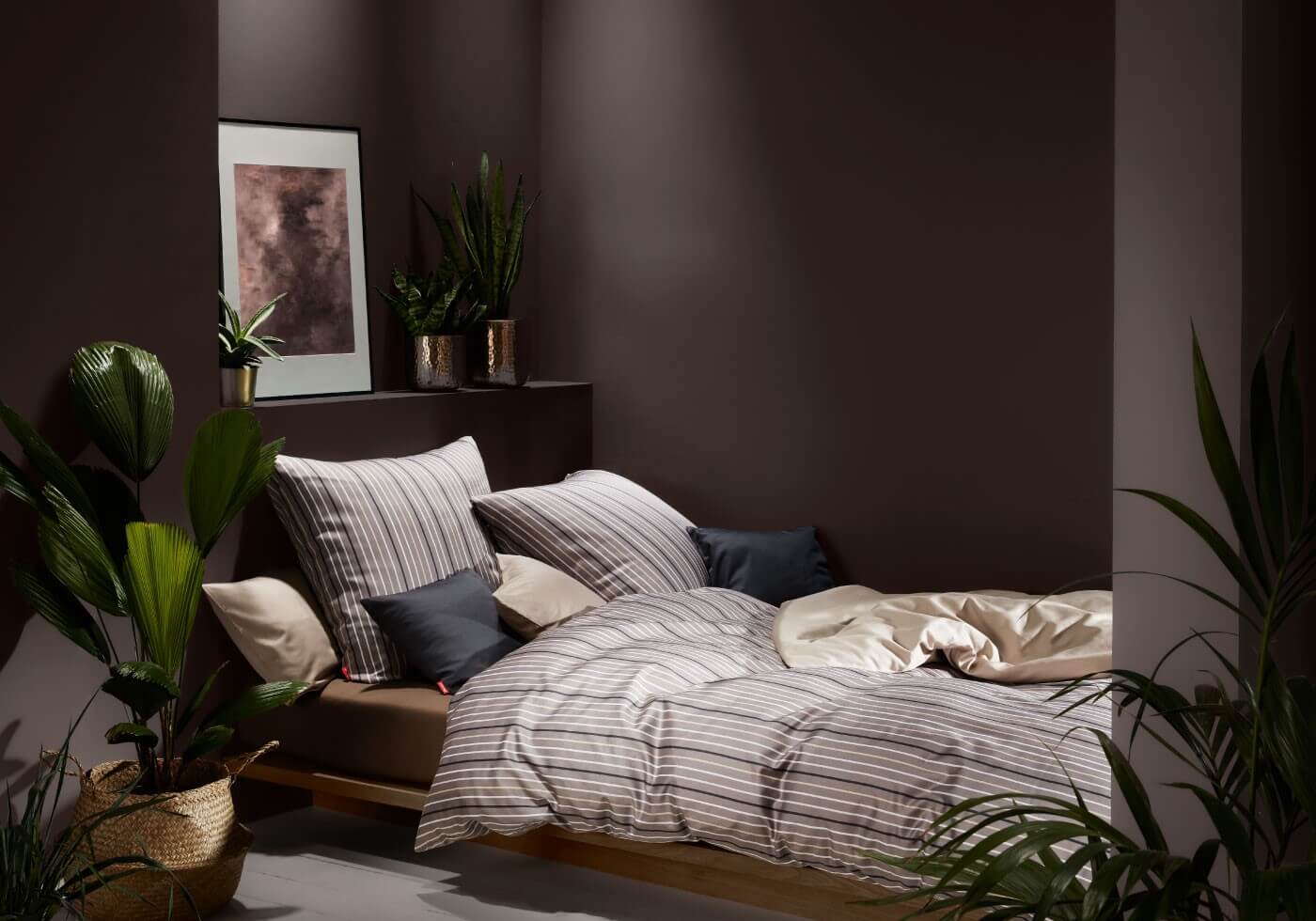
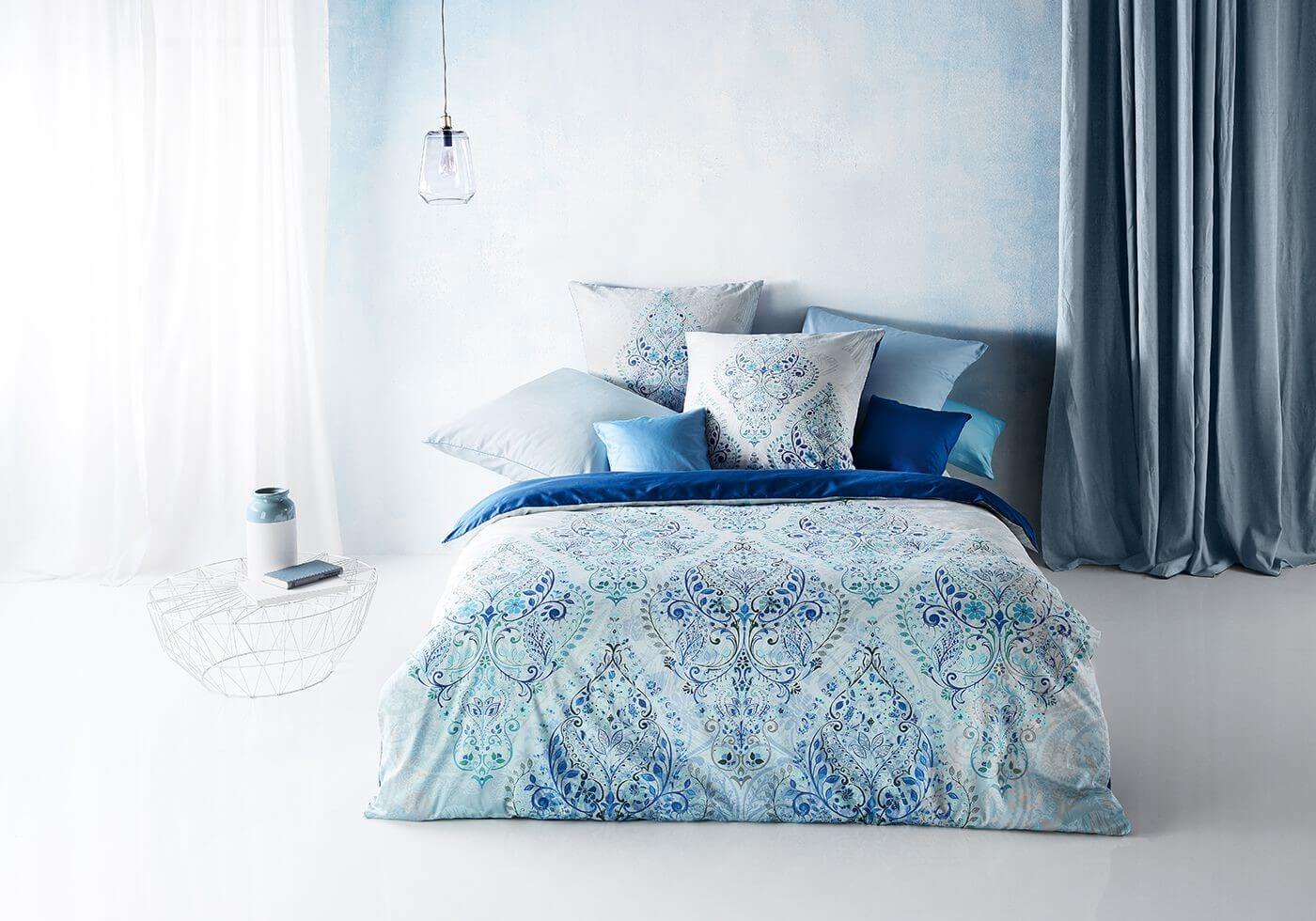
At North Diamond Epsilon, we approach comfort with the same philosophy that makes Filipino architecture work. Our premium Fleuresse bed linens use natural materials that breathe and regulate temperature—essential in tropical heat where synthetic fabrics trap moisture and heat. Just as traditional Filipino architecture uses ventilation to stay cool, quality natural bedding allows air circulation that makes sleep comfortable even in Philippine humidity.
The bamboo charcoal air purifiers we offer connect directly to this architectural tradition. Bamboo has been a cornerstone of Filipino building for centuries because it grows abundantly, works beautifully, and serves multiple functions. Using bamboo-derived products for air purification honors this heritage while applying it to modern wellness needs.
Modern Icons Building on Tradition
Contemporary Filipino architects are creating structures that honor traditional wisdom while embracing modern needs. The Leandro Locsin buildings scattered across Metro Manila—from the Cultural Center of the Philippines to the GSIS Building—prove that you can be thoroughly modern while remaining distinctly Filipino. Locsin’s work features dramatic use of space, natural light, and materials that age beautifully in tropical conditions.
What makes these buildings iconic isn’t just their appearance—it’s how they make people feel inside them. Cool despite the heat. Comfortable despite humidity. Connected to nature despite being in urban centers. The architecture serves the people using it, not just the cameras photographing it.
Creating Personal Sanctuaries
Most of us can’t commission Leandro Locsin to design our homes, but we can apply the same principles that make Filipino architectural icons work. Choose natural materials that function well in our climate. Prioritize airflow and ventilation. Select quality items that age gracefully rather than deteriorate. Create spaces that support how you live, not how design magazines suggest you should live.
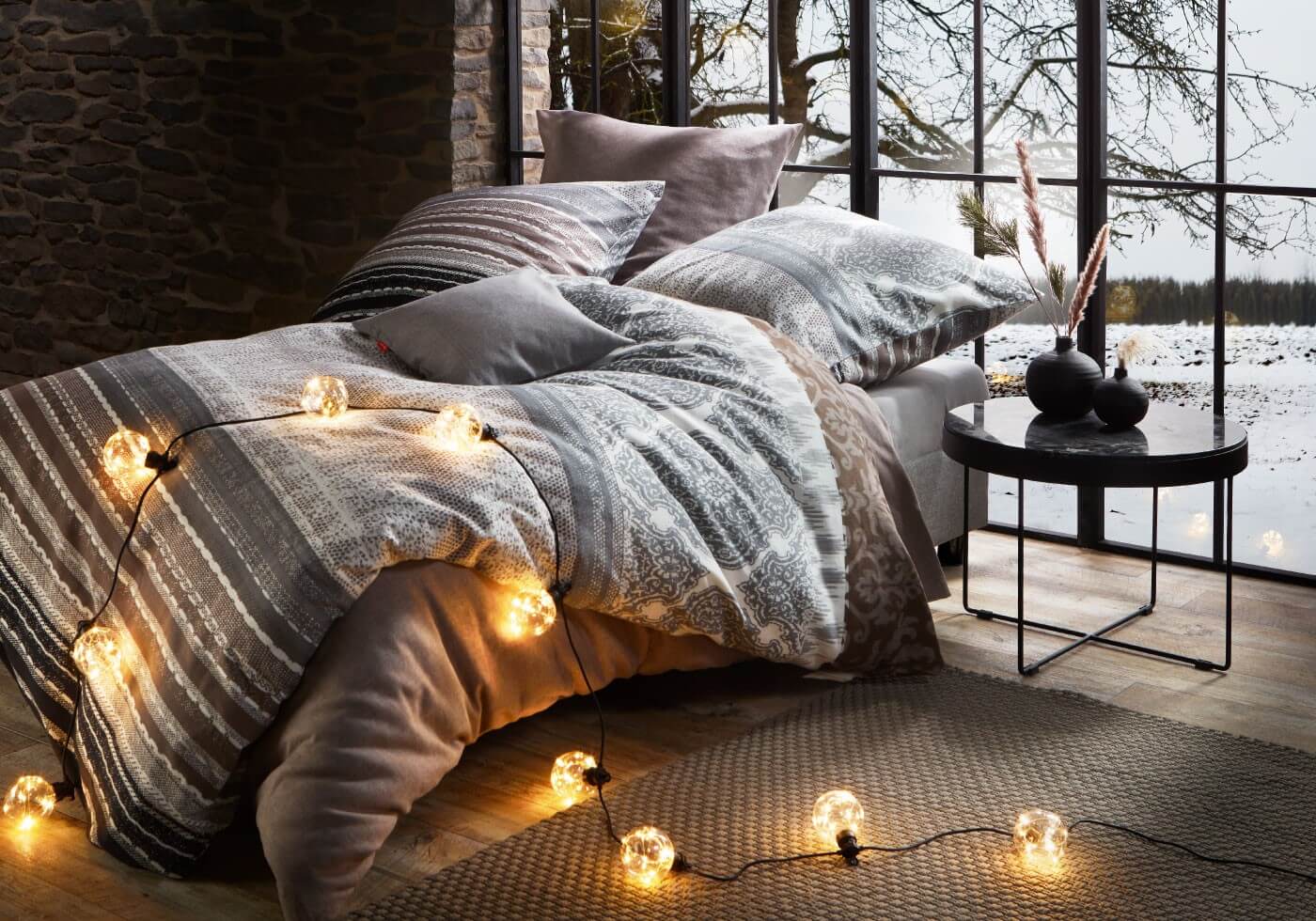
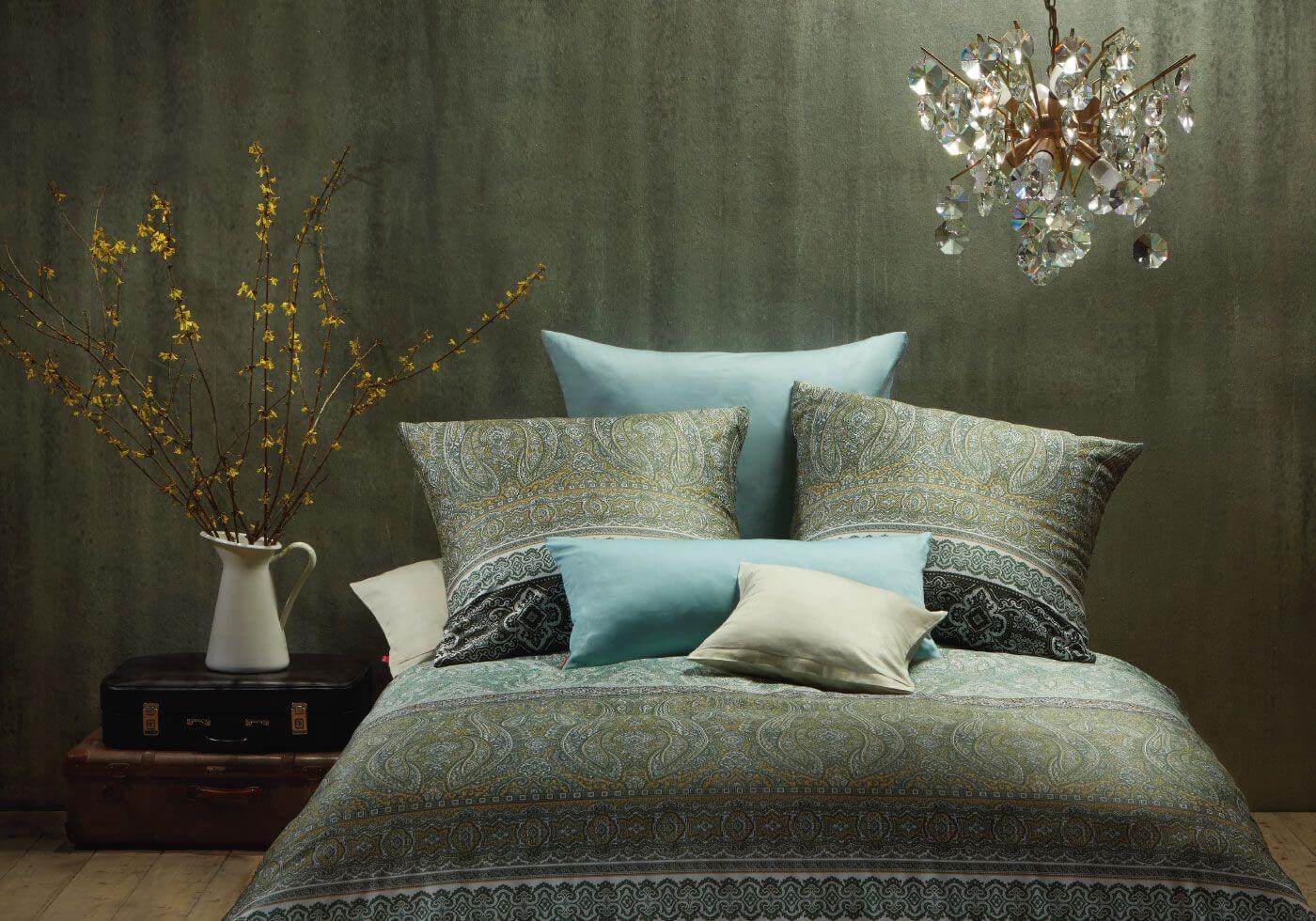
Your bedroom, where you spend eight hours daily recovering from Manila’s heat and stress, deserves particular attention. The architectural principle of choosing appropriate materials for climate conditions applies directly to bedding. European-quality linens like those from Fleuresse collection aren’t just about luxury—they’re about material science meeting tropical reality. Natural fibers that wick moisture, regulate temperature, and breathe properly make the difference between restless, sweaty nights and actual restorative sleep.
The Heritage of Quality
Filipino architectural icons share another characteristic—they’re built to last. The San Agustin Church in Intramuros has survived earthquakes and wars since 1607 because it was built with quality materials and genuine craftsmanship. The centuries-old Bahay na Bato houses still standing across the provinces prove that investing in quality at the beginning pays dividends for generations.
This philosophy of building for longevity rather than disposability feels increasingly relevant. In a culture of fast fashion and planned obsolescence, choosing items designed to last—whether buildings or bedding—is almost revolutionary. When you invest in quality linens that improve with washing rather than deteriorate, when you choose air purifiers built from sustainable materials that work, you’re participating in the same tradition that created our architectural heritage.
Living the Legacy
Filipino architectural icons aren’t museum pieces—they’re living examples of how to create beautiful, functional spaces that honor both tradition and innovation. They remind us that the best design solutions often come from understanding your specific conditions rather than importing foreign ideas wholesale.
As we furnish our modern homes and apartments, we can carry forward this legacy. Choose natural over synthetic when possible. Prioritize function alongside aesthetics. Invest in quality that lasts rather than trends that fade. Create spaces that support genuine comfort in our actual climate, not someone else’s ideal from a different hemisphere.
The Coconut Palace used what the Philippines offered abundantly to create something extraordinary. Every time you choose quality natural products designed for tropical living—whether building materials, furniture, or the bedding, you sleep on—you’re part of that same story.
Filipino architecture teaches us that luxury isn’t about importing the most expensive materials. It’s about understanding your environment deeply enough to work with it beautifully. It’s about quality craftsmanship using what works, not just what’s trendy. It’s about creating spaces where people genuinely thrive.
That’s a legacy worth living in.
Create your personal sanctuary with quality designed for Filipino living. Explore our collection at northdiamondepsilon.com.ph