
 The budget was perfect on paper. Color-coded spreadsheet, realistic categories, even a buffer for unexpected expenses. By February, it was abandoned. The culprit wasn’t lack of discipline—it was decision fatigue. Every purchase required mental negotiation, every expense felt like failure. The budget became something to avoid rather than follow.
Most budgets fail not because they’re wrong, but because they’re exhausting. The secret isn’t stricter rules, it’s smarter systems that reduce daily mental load.
Automate Everything
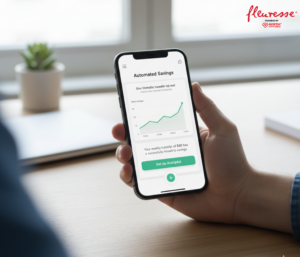
Set up automatic transfers the day salary arrives. Savings, investments, bills—handled before you can spend it. What’s left is truly yours. You’re not depriving yourself; you’re paying your future self-first. Automation makes budgeting happen in the background, not requiring constant attention.
Distinguish Wants from Investments
Not all spending is equal. Consumption feels good temporarily then disappears—the fifth pair of shoes, forgotten subscriptions, trendy gadgets collecting dust. Investment purchases serve you repeatedly for years—quality cookware, proper work equipment, home essentials improving daily life.
The budget trap is treating these identically. When you understand this distinction, decisions become clearer: not “can I afford this,” but “will this serve me long-term or just satisfy me temporarily?”
The Quality Paradox
Sticking to budgets often means spending more per item, not less. Cheap products fail, requiring replacement. Quality items lasted years. ₱10,000 once beats ₱2,000 five times, even if it doesn’t feel that way initially.
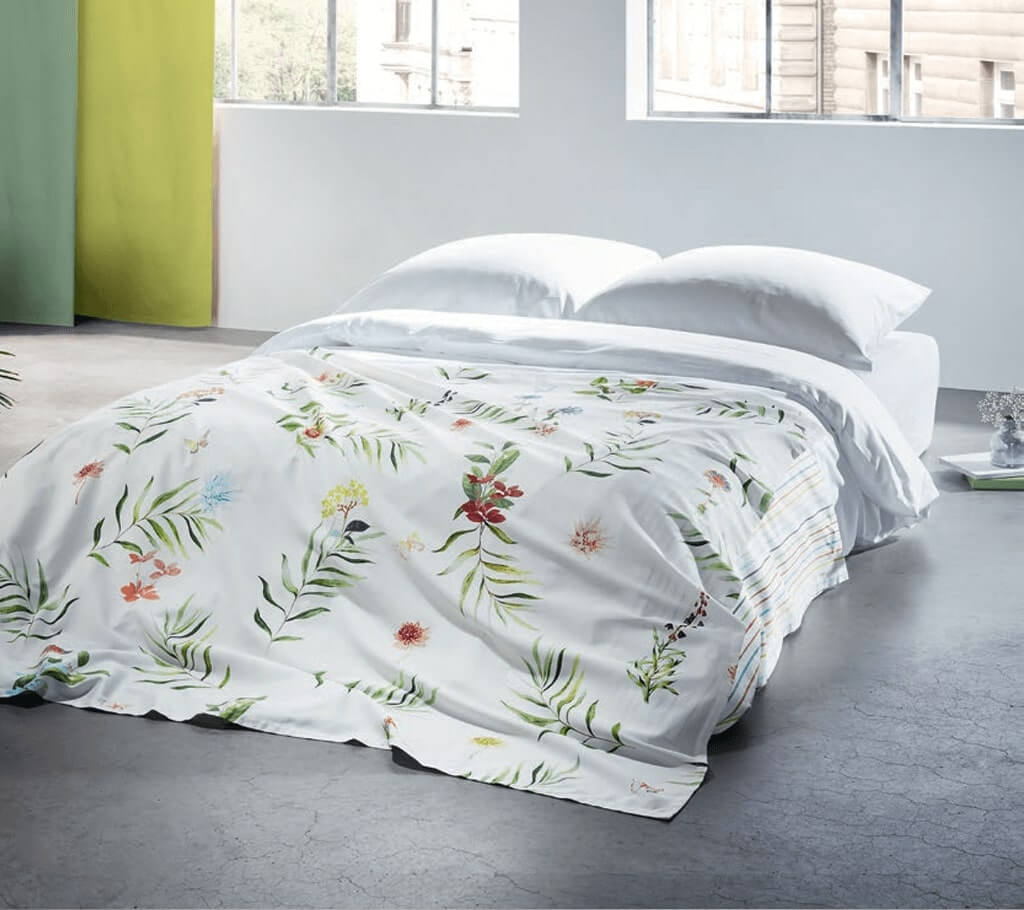
This applies especially to daily-use items. Things you interact with constantly deserve quality investment. Premium bedding from North-Diamond epsilon isn’t a budget violation—it’s strategic spending. You spend a third of your life sleeping. Quality that lasts years while improving rest daily is one of the smartest investments you can make. Better sleep means better decisions, including financial ones.
Build Flexibility
Rigid budgets break. Include a “flexible spending” category for surprises. When unplanned expenses arise, they don’t derail everything. This breathing room paradoxically makes you more likely to stick to the structure.
Track Outcomes, Not Transactions
Obsessively logging on every purchase is unsustainable. Track broader monthly patterns instead. Are savings increasing? Are the bills covered automatically? Unnecessary spending trending down? If yes, the system works. The goal isn’t accounting precision—it’s sustainable financial health.
The Real Secret
The biggest budget hack isn’t restriction—it’s elimination. Reduce daily money decisions by automating what you can and clarifying consumption versus investment. When you’re not constantly negotiating every purchase, budgeting becomes background process rather than exhausting focus.
Choose quality over quantity in things used daily. Invest in essentials that improve life repeatedly. Save automatically. Build flexibility. Track outcomes, not transactions.
Budgets that work don’t feel like sacrifice. They feel like systems supporting the life you want—including rest, quality, and freedom from financial anxiety. When your budget allows genuine investments in things serving you long-term, sticking to it stops feeling like deprivation and starts feeling like wisdom.
Invest in quality that serves you daily. Explore North-Diamond epsilon’s collection at https://northdiamondepsilon.com.ph/ and discover essentials designed to last—the smart budget choice.