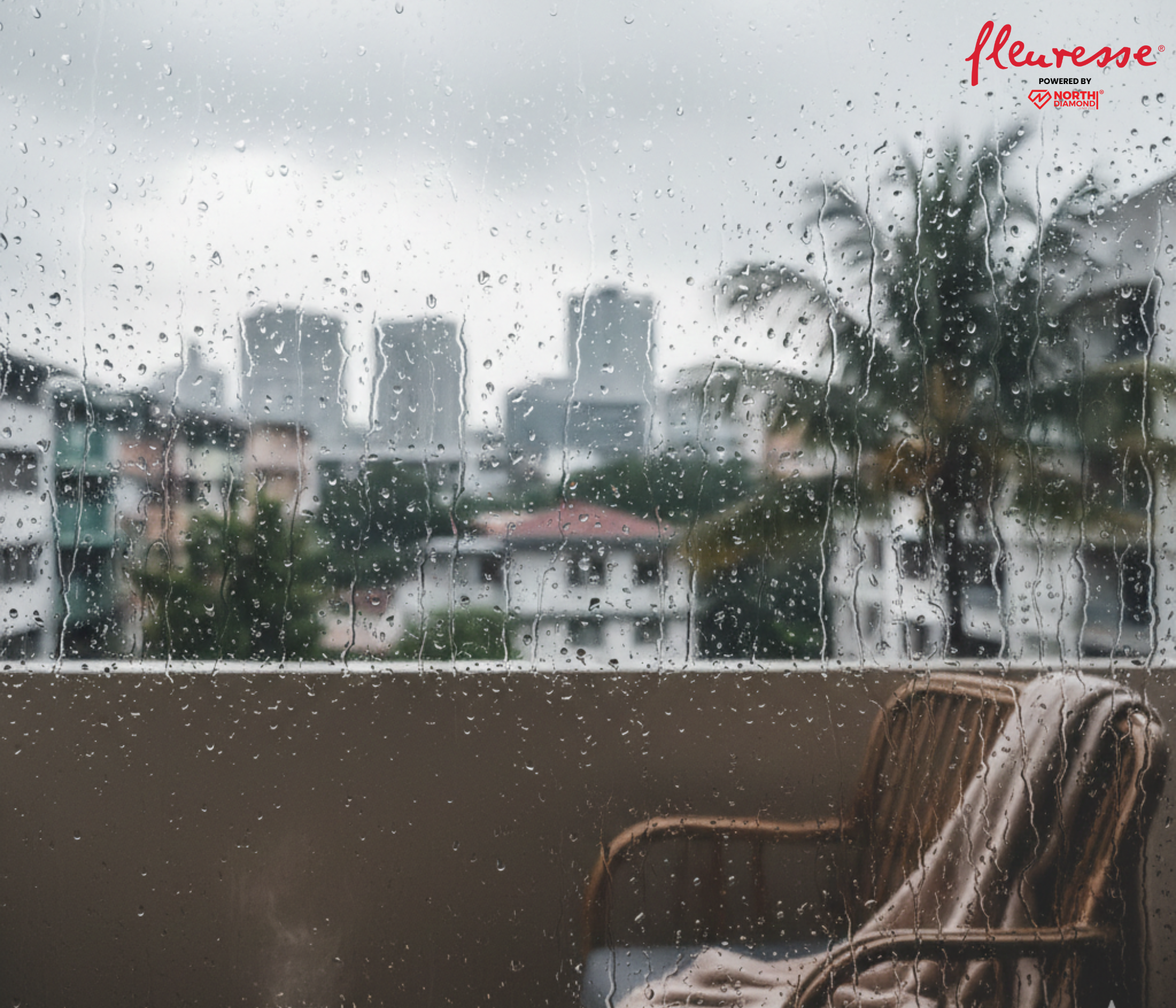

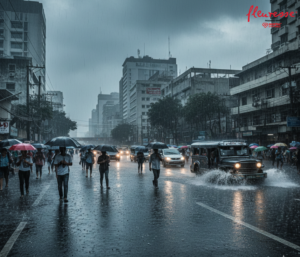
 Elena wakes up to the sound of heavy rain pounding her roof for the third morning this week. It’s February—supposedly one of the drier months—but her neighborhood streets are flooded again. She checks her weather app and sees what meteorologists have been warning about: La Niña conditions are bringing unseasonable rainfall patterns, and the tropical cyclone outlook suggests more wet weather ahead when Filipinos normally expect cooler, drier days.
This isn’t the February we’re used to, and understanding what’s happening with our weather patterns has become less about casual curiosity and more about practical preparation for daily life.
Understanding La Niña’s Impact
La Niña is a climate pattern characterized by cooler-than-normal sea surface temperatures in the central and eastern Pacific Ocean, and its effects ripple across the globe. For the Philippines, La Niña typically means increased rainfall, higher chances of tropical cyclones even outside the traditional typhoon season, and generally wetter conditions than normal.
February usually marks the transition toward drier weather as we move deeper into the cool, dry season. But with La Niña conditions persisting, meteorologists are advising Filipinos to expect more rain, potentially stronger storms, and the kind of weather volatility that makes planning anything outdoors a gamble.
This matters because our lives are built around weather patterns we’ve learned to predict. Farmers plan planting seasons. Schools schedule outdoor activities. Families plan trips and celebrations. When weather patterns shift unpredictably, it disrupts everything from agriculture to mental health.
What the Tropical Cyclone Outlook Shows
While typhoon season officially peaks from July to October, La Niña conditions can extend the period when tropical cyclones form and affect the Philippines. The February outlook suggests above-normal rainfall and the possibility of tropical cyclones developing earlier than usual, meaning Filipinos should remain weather-aware even during months we typically consider safe.
This isn’t fearmongering—it’s acknowledging that climate patterns are changing and our old assumptions about safe and dangerous months no longer hold as firmly. February might bring a typhoon. March could see flooding. The rainy season might start earlier and last longer. Adaptation means staying informed and prepared year-round, not just during traditional typhoon season.
The Daily Life Impact
For most Filipinos, climate outlooks translate into very practical concerns. Will flooding block your route to work? Should you carry an umbrella even though it’s supposed to be dry season? Is that weekend beach trip going to be rained out? Could your laundry dry or will it stay damp for days?
These aren’t trivial worries—they affect health, productivity, mood, and quality of life. Constant dampness promotes mold growth in homes. Humidity makes sleep uncomfortable. Wet clothes and shoes never quite dry. The mental exhaustion of never knowing if today will bring sunshine or storms takes a toll after months of unpredictable weather.
Creating Weather-Resilient Home Environments
When you can’t control the weather outside, controlling your indoor environment becomes crucial. This is where seemingly small choices about your living space have outsized impacts on wellbeing.
At North Diamond Epsilon, we see increased interest in products that help people maintain comfort despite challenging weather. During extended wet periods, air quality becomes critical—damp conditions breed mold and create musty environments that affect sleep and respiratory health. Our bamboo charcoal air purifiers aren’t just about preference; they’re about creating breathable indoor spaces when outdoor air is saturated with moisture.
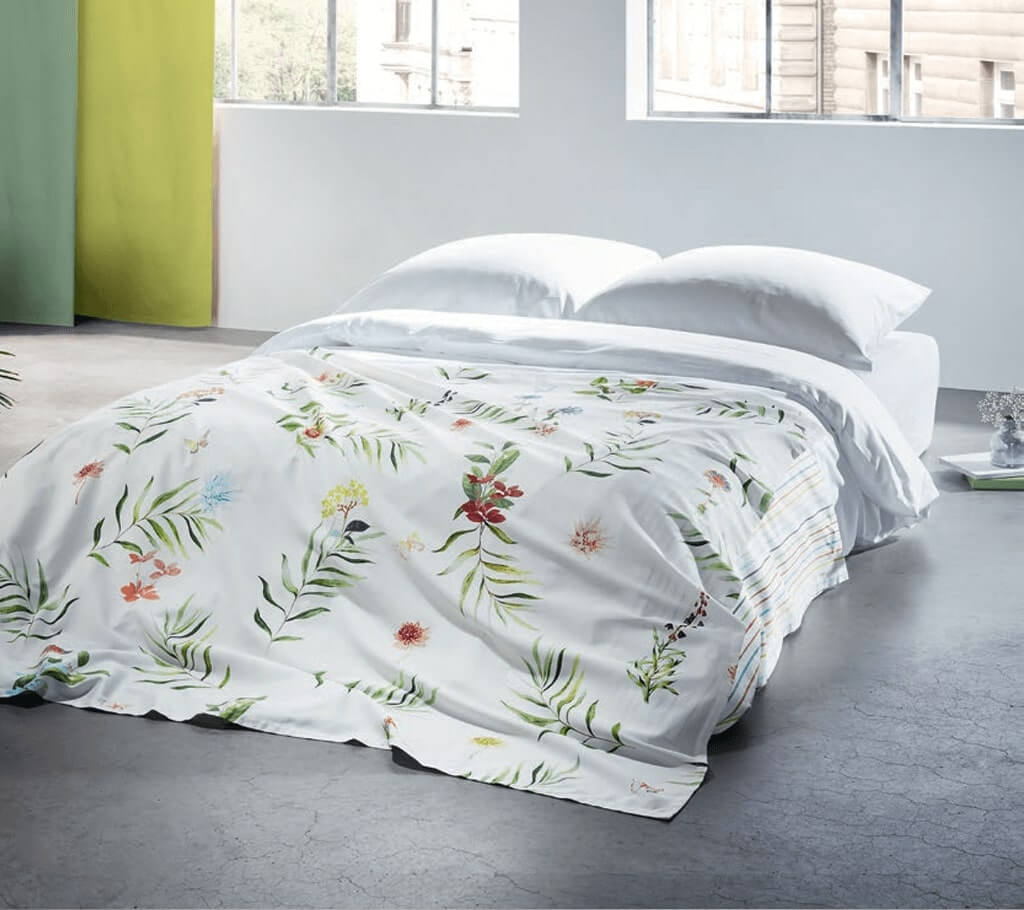
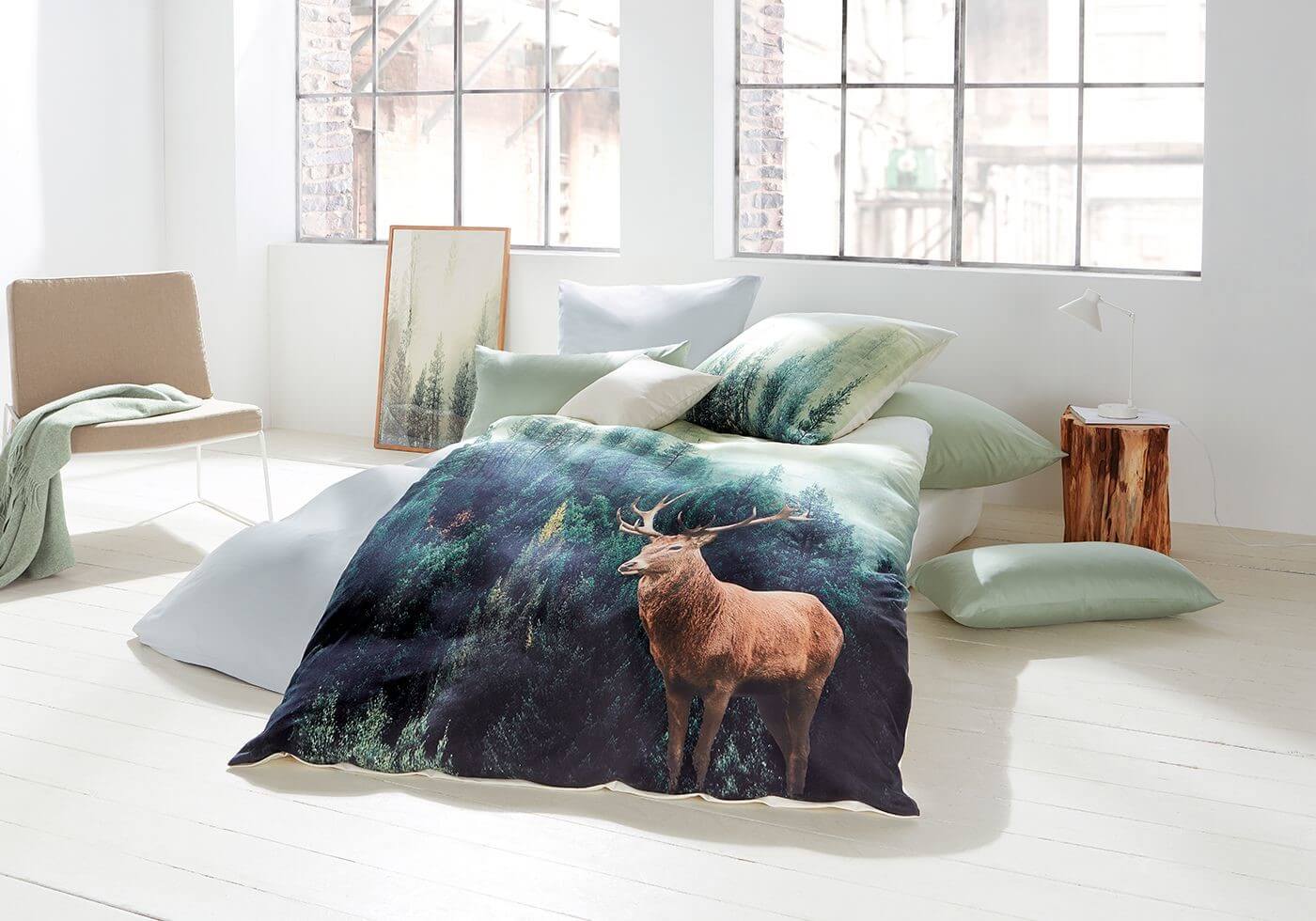
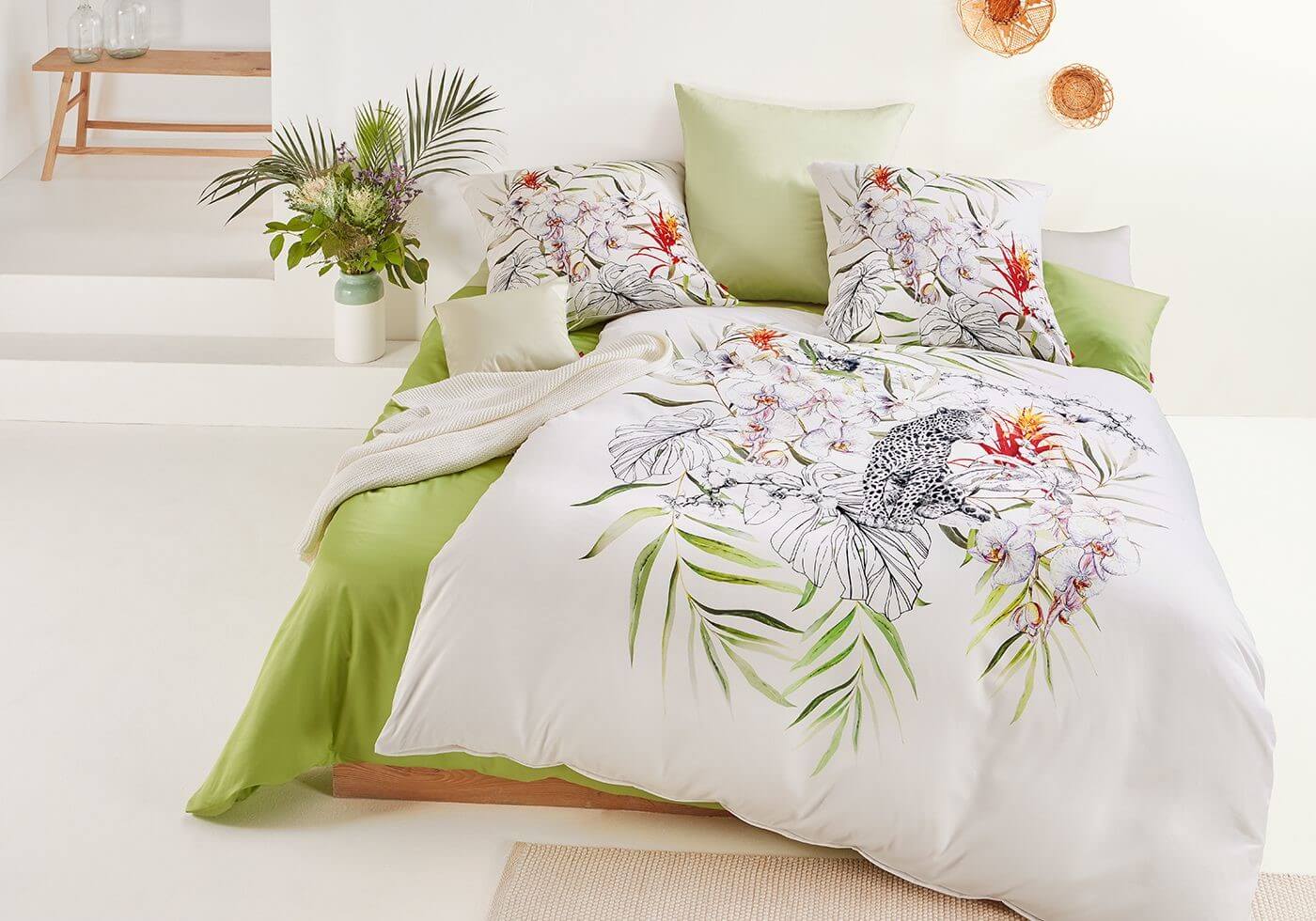
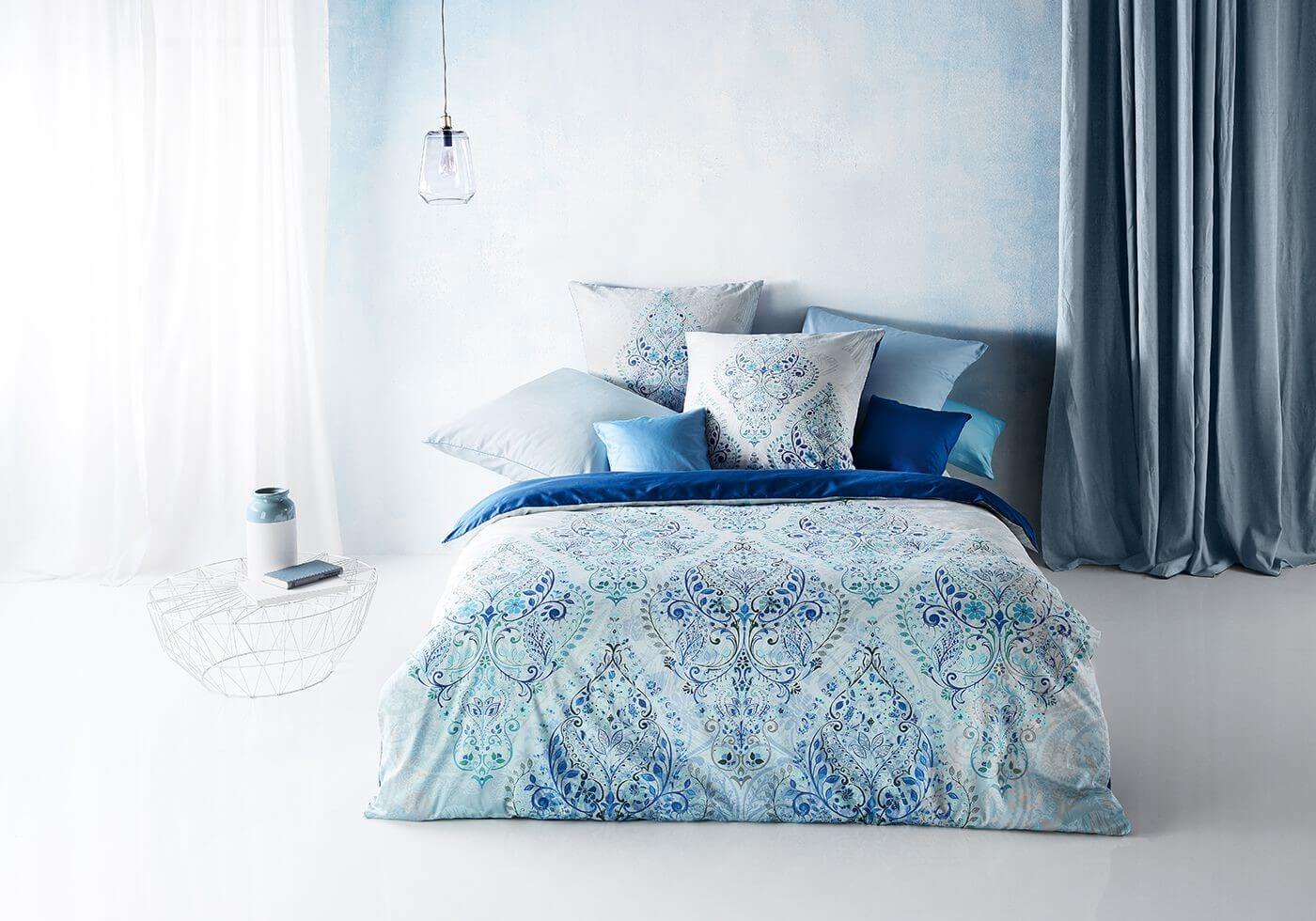
Similarly, bedding choices matter more during unpredictable weather. When humidity spikes and temperatures fluctuate, sleeping on synthetic materials that trap moisture becomes genuinely uncomfortable. Premium natural fabrics like those in our Fleuresse bed linens are designed to breathe, wick moisture, and regulate temperature—exactly what you need when weather patterns make sleep difficult.
This isn’t about luxury. It’s about basic comfort and health when external conditions are working against you.
Preparation Beyond Weather Apps
Staying informed through PAGASA weather updates is essential, but preparation goes deeper. Knowing a typhoon might come in February means different household preparation—having emergency supplies ready earlier, checking drainage systems before heavy rains, securing outdoor items that could become projectiles, and yes, ensuring your home environment can remain comfortable even when you’re stuck indoors for days.
Filipino resilience isn’t just about surviving disasters—it’s about maintaining quality of life despite challenging conditions. That means creating homes that work for you even when weather doesn’t cooperate, choosing products designed for tropical climate realities, and investing in comfort that endures through wet seasons that now last longer than they used to.
The Mental Health Dimension
Extended periods of gloomy weather, constant rain, and the anxiety of unpredictable storms affect mental health in ways we don’t often acknowledge. The inability to plan, the disruption of routines, the sensory assault of constant humidity—all of this accumulates into stress that many Filipinos just accept as normal.
But it doesn’t have to be. Creating reliable comfort in your personal space—a bedroom that’s genuinely restful regardless of outdoor conditions, air that’s clean and fresh even when everything outside is damp, bedding that helps you sleep well despite weather-related stress—these aren’t indulgences. They’re coping mechanisms that support mental health through challenging environmental conditions.
At North Diamond Epsilon, we position our products as tools for maintaining wellbeing when external conditions are difficult. Quality sleep matters more, not less, when weather patterns are stressing your body and mind. Clean indoor air becomes essential when outdoor conditions are challenging. These are adaptations to our changing climate reality.
Looking Ahead
The February La Niña outlook is part of a larger pattern of climate unpredictability that Filipinos will increasingly navigate. Dry seasons might not be as dry. Wet seasons could intensify. Typhoons may come when we least expect them. Traditional weather wisdom passed down through generations and becomes less reliable.
This requires new approaches to how we live—building more resilient infrastructure, yes, but also making personal choices that support wellbeing despite environmental stress. That includes everything from emergency preparedness to creating home environments that remain comfortable sanctuaries regardless of what’s happening outside.
Elena checks the forecast again. More rain expected throughout the week. She’s learned to plan around it—emergency supplies stocked, drainage cleared, work-from-home setup ready. But more importantly, she’s invested in making her home genuinely comfortable despite the weather, understanding that when you can’t control climate patterns, you can at least control how well you rest and recover in your own space.
That’s not denial—it’s adaptation. And it’s how Filipinos have always survived and thrived: by accepting what we can’t change while actively improving what we can.
Build a home environment that supports you through any weather. Explore our collection at northdiamondepsilon.com.ph