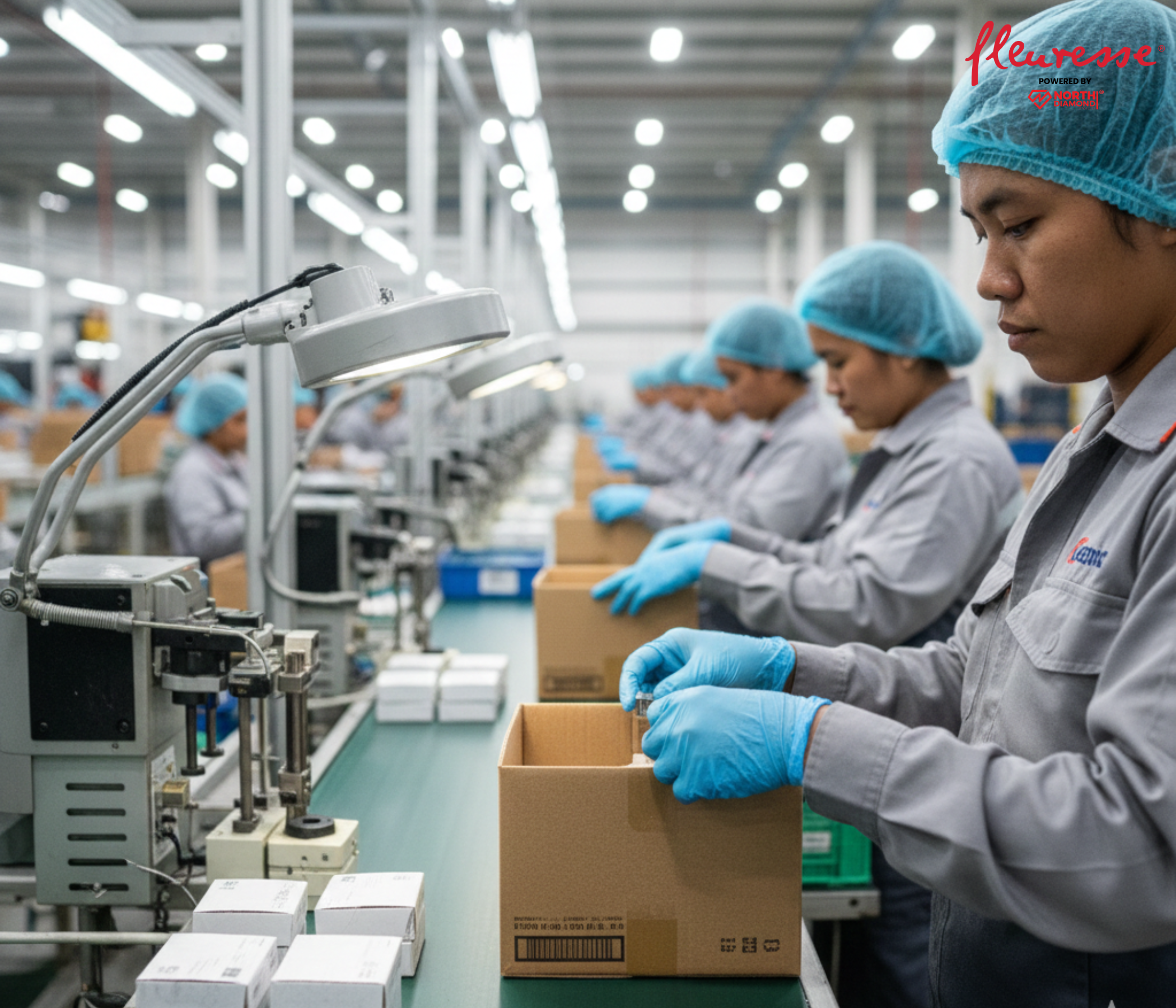

 The numbers caught economists’ attention: Philippine manufacturing activity reached its highest level in nine months, signaling potential turning point in economic trajectory. For those watching spreadsheets and economic indicators, it’s data worth noting. For millions of Filipino workers and families, it’s something more tangible—the possibility of stable jobs, better wages, and economic security that’s felt increasingly elusive.
Manufacturing expansion means factories hiring, supply chains activating, workers earning steady paychecks that support families and communities. It means young people finding entry-level positions that become career foundations. It means provinces with manufacturing hubs seeing economic activity ripple through local businesses. The abstract “9-month high” translates into very real human impact.
What the Numbers Mean
Manufacturing growth indicates both domestic demand recovery and export market strength. Companies are producing more because people are buying more—both locally and internationally. This creates employment across skill levels, from factory floor workers to logistics coordinators to skilled technicians maintaining increasingly automated production lines.
The manufacturing sector’s health matters beyond its direct employment. Every manufacturing job supports multiple jobs in related industries—transportation moving raw materials and finished goods, retail selling manufactured products, and services supporting workers and their families. Economic expansion in manufacturing creates multiplier effects throughout the economy.
For workers, manufacturing jobs often provide more stable employment than informal sector alternatives. Regular hours, defined wages, some level of benefits and protections. Not always ideal conditions, but more predictable than day-to-day hustle characterizing much of Philippine employment. The sector’s expansion means more Filipinos accessing this stability.
The Human Side of Growth
Behind the economic indicators are stories like Roberto’s. After two years of underemployment—grabbing whatever work he could find, never knowing what next week’s income would be landed factory position in manufacturing facility expanding production. The job isn’t glamorous. The hours are long. But it’s steady. It pays enough that his wife could stop working double shifts. His kids stopped hearing “we can’t afford that” quite so often.
Growth in manufacturing sector means thousands of stories like Roberto’s. People are transitioning from precarious informal work to more stable employment. Families gain breathing room financially. Young workers build experience and skills that create career pathways. Communities benefiting from economic activity that supports local businesses.
But there’s reality check needed: manufacturing growth creates opportunity, not guarantee. The jobs exist, but they’re demanding. Factory work requires physical stamina, mental alertness, and consistent performance across long shifts. The opportunity is real only for those with capacity to seize it and sustain it.
The Sustainability Question
Here’s what economic reports don’t discuss: how workers maintain the energy and health required for demanding manufacturing work. Long shifts require focus and physical effort. Repetitive tasks demanding consistent precision. Production quotas requiring sustained performance. This work extracts a real physical and mental cost.
Workers who thrive long-term in manufacturing aren’t necessarily strongest or most skilled—they’re most sustainable. Those who’ve figured out how to recover adequately between shifts, maintain health despite physical demands, and show up consistently with energy and focus needed. Manufacturing favors those who can sustain performance over time, not just deliver it occasionally.
This is where personal infrastructure becomes crucial. Quality rest isn’t luxury for manufacturing workers—it’s competitive advantage and health necessity. When work demands your body and mind show up consistently over years, how you recover determines whether you can meet those demands without breaking down.
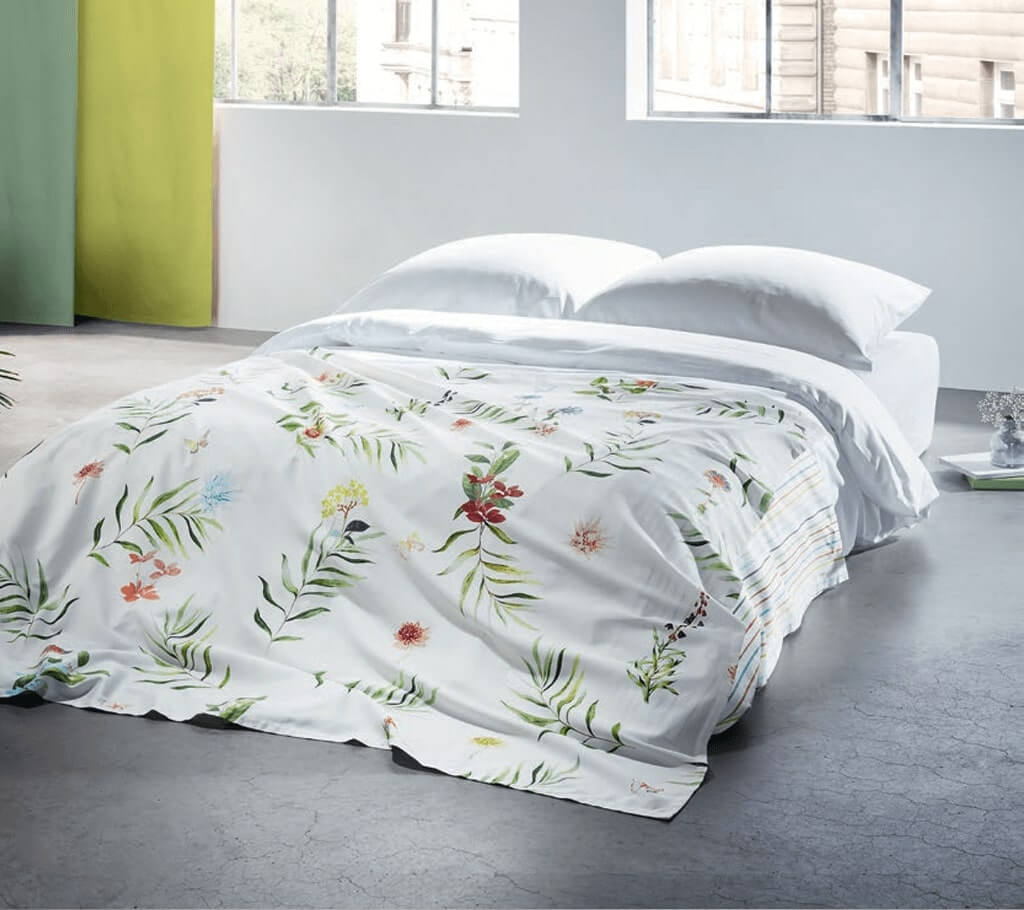
Investing in proper sleep environment through quality essentials like North-Diamond epsilon bedding isn’t frivolous for manufacturing workers—it’s strategic. The job demands you show up rested, alert, capable of safe and effective performance. That happens when your off-hours actually restore you, when your bedroom supports genuine recovery rather than just providing place to collapse before next shift.
What Growth Actually Requires
Manufacturing sector growth is excellent news for Philippine economy and employment. But sustaining that growth—both at macro level and for individual workers benefiting from it—requires more than just factory openings and hiring. It requires workforce that can maintain performance over time.
Companies investing in expansion should recognize that worker sustainability affects their bottom line. Exhausted workers make more errors, have more accidents, show less productivity, and eventually burn out or quit. Supporting worker wellbeing isn’t just ethical—it’s economically rational.
For workers like Roberto seizing opportunities manufacturing growth creates, the challenge is sustainability. The job is there. Can you maintain capacity to do it well year after year? That requires more than work ethic—it requires genuine recovery creating the physical and mental capacity work demands.
The Bigger Picture
Philippine manufacturing hitting 9-month high represents economic momentum worth celebrating. It creates jobs, supports growth, and offers stability for workers and families who’ve needed it desperately. The expansion should be welcomed and supported through policies encouraging continued investment and development.
But economic growth is only sustainable when the power of people are sustainable. Manufacturing workers carrying the sector’s expansion on their backs need more than employment—they need conditions and personal practices allowing them to maintain demanding work without destroying their health in the process.
The manufacturing sector’s health and individual workers’ health are connected. Strong economy requires healthy workforce. Healthy workforce requires genuine recovery infrastructure—both workplace conditions supporting wellbeing and personal investments in recovery like quality sleep environments enabling the rest of work demands.
Celebrate manufacturing growth. Recognize the opportunities it creates. But also recognize that seizing those opportunities successfully requires building sustainability into the equation—at both company and individual level. The 9-month high is excellent news. Making it sustainable long-term requires thinking beyond production numbers to the human capacity making those numbers possible.
Invest in your capacity for sustained work. Explore North-Diamond epsilon’s collection at https://northdiamondepsilon.com.ph/ and build the recovery foundation your career demands.