
 Ligaya tracked her spending for one week and discovered something shocking: nearly ₱700 weekly disappeared on things she couldn’t remember buying. Coffee here, snacks there, impulse purchases that seemed small. The money vanished not through big purchases but countless tiny leaks.
Saving ₱50 to ₱100 daily sounds insignificant—until you realize that’s ₱1,500 to ₱3,000 monthly, ₱18,000 to ₱36,000 yearly. Enough for emergency funds, investments, or major purchases. The key isn’t dramatic sacrifice—it’s plugging small leaks draining money invisibly.
The Daily Leaks
Morning café coffee: ₱150–₱200. Home coffee: ₱20–₱30. Daily savings: ₱120–₱170. The café version isn’t four times better—we’re paying for convenience and habits.
Lunch delivery with fees: ₱200–₱300. Packed lunch: ₱80–₱100. Daily savings: ₱120–₱200. We’re paying someone else to solve our lack of planning.
Convenience store runs for snacks and drinks add ₱50–₱100 daily. Weekly grocery shopping eliminates most of this. Impulse online purchases—that ₱99 item with free shipping—accumulate to hundreds monthly.
The Psychology Trap
Small amounts bypass our financial defenses. ₱50 doesn’t feel like real money. But twenty ₱50 purchases equal one ₱1,000 purchase we’d carefully consider. Our brain’s inability to take small spending seriously makes it dangerous.
The solution isn’t tracking every peso—that’s exhausting. It’s eliminating decision points where small spending happens. Automatic coffee at home instead of making daily café decisions. Packed lunch as default instead of daily delivery debate. Weekly grocery trips instead of multiple convenience stores run.
Strategic Investment
You’re not depriving yourself—you’re choosing better versions. Home coffee in a quality mug you enjoy. Packed lunch in proper containers keeping food fresh. Planned snacks you like.
This requires initial investment. Good coffee makers, quality food containers, and proper planning systems cost money upfront but save multiple times over time. Think months and years, not just today’s convenience.
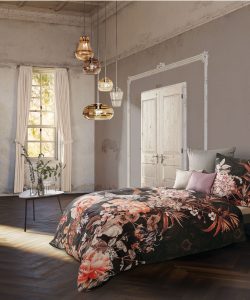
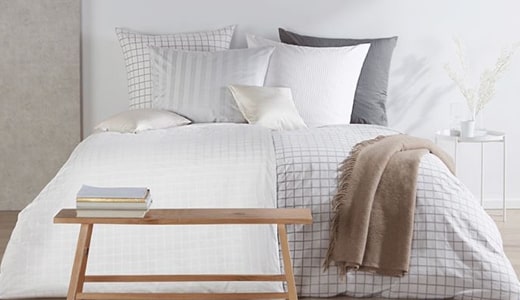
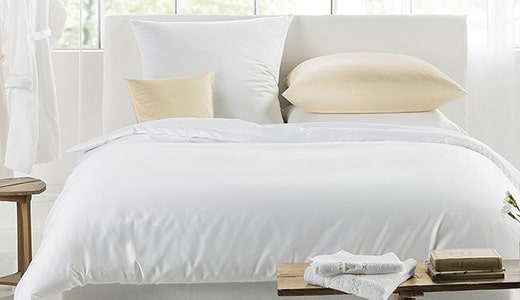
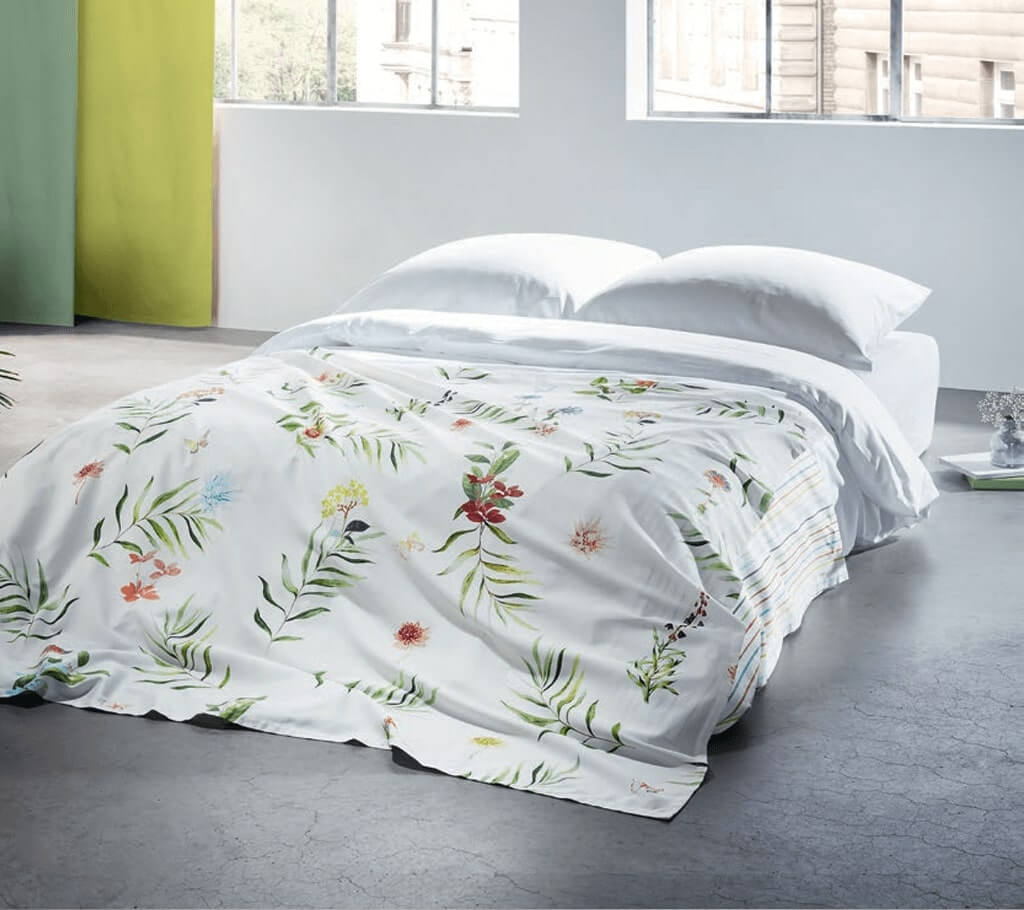
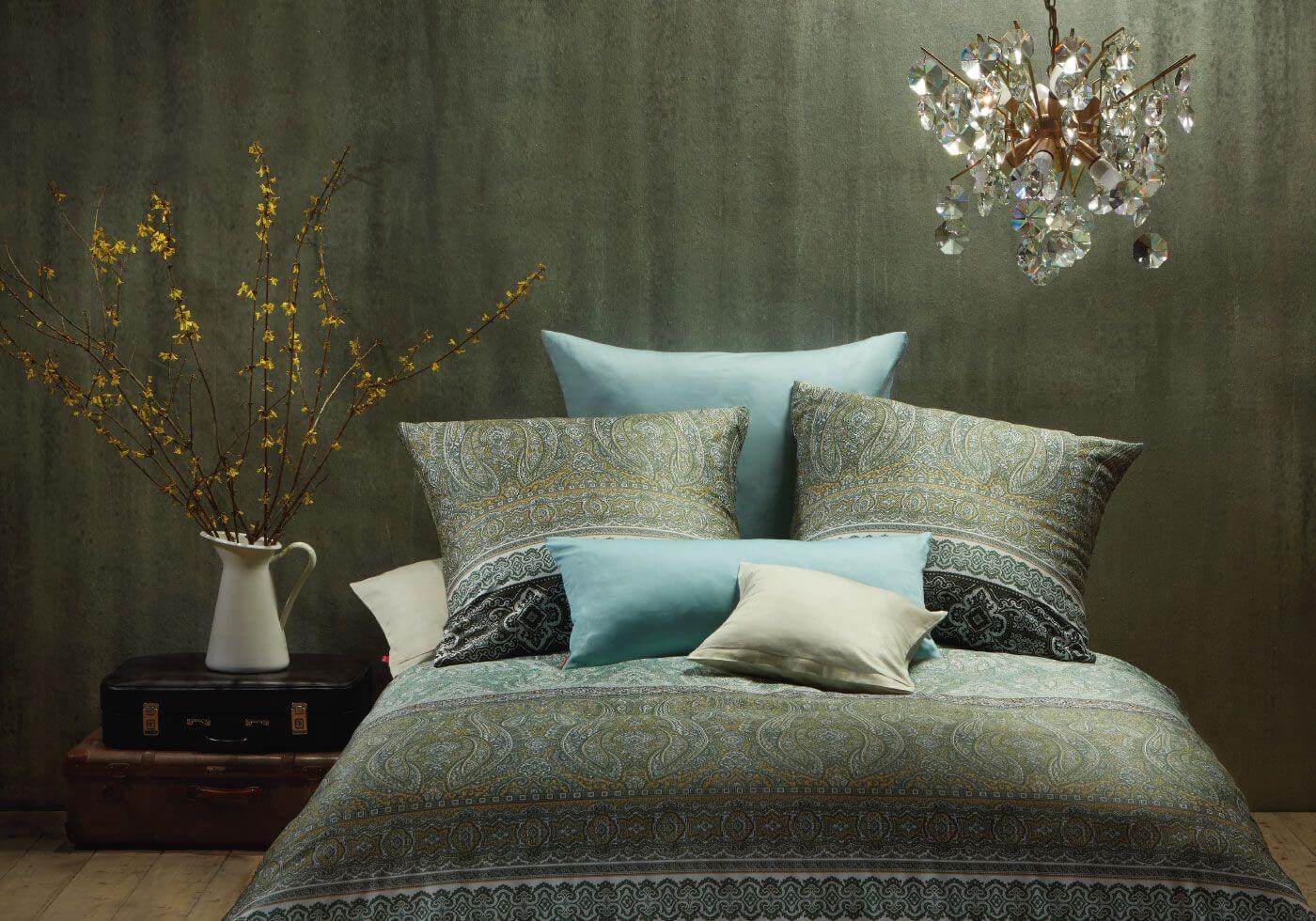
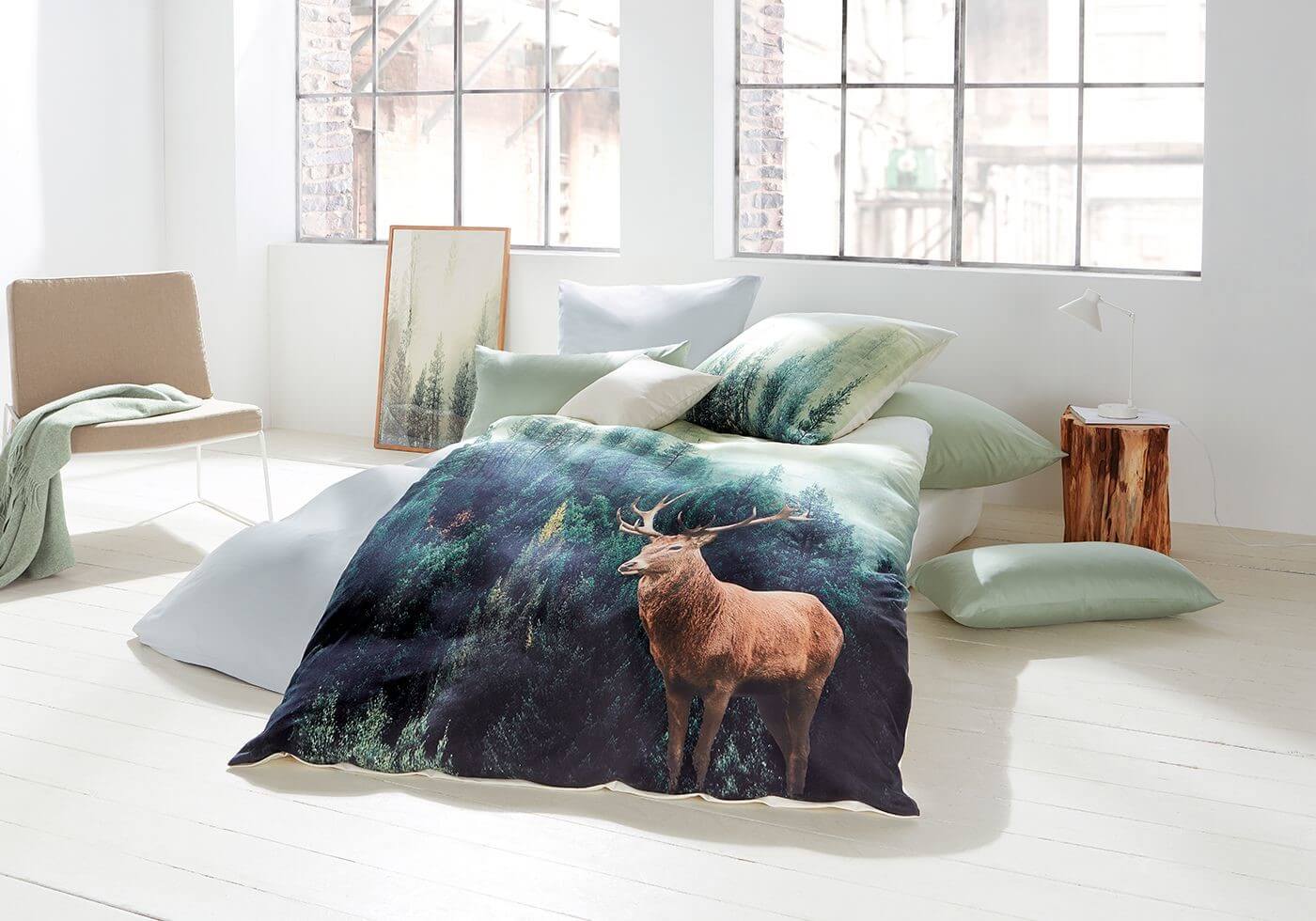
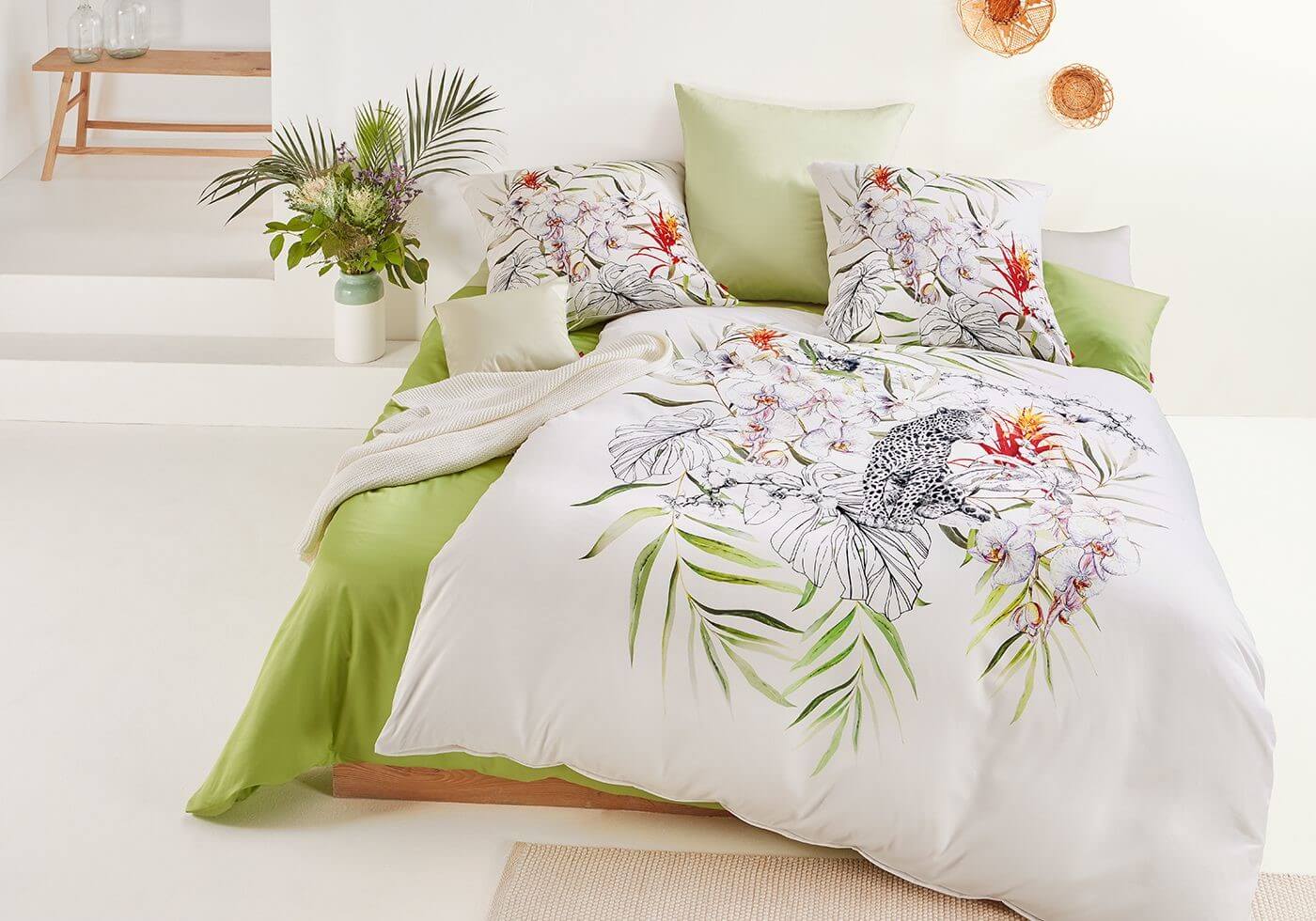
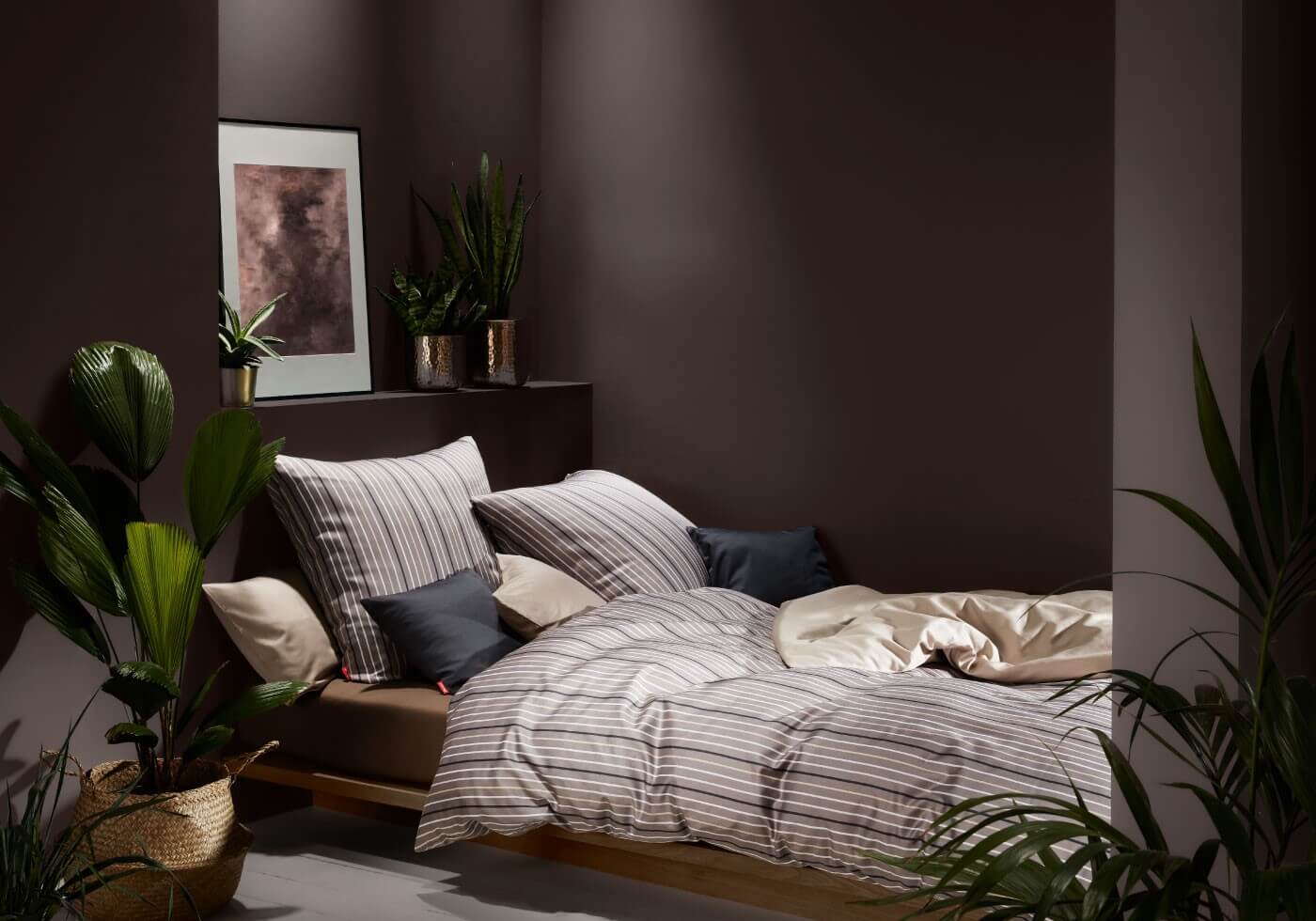
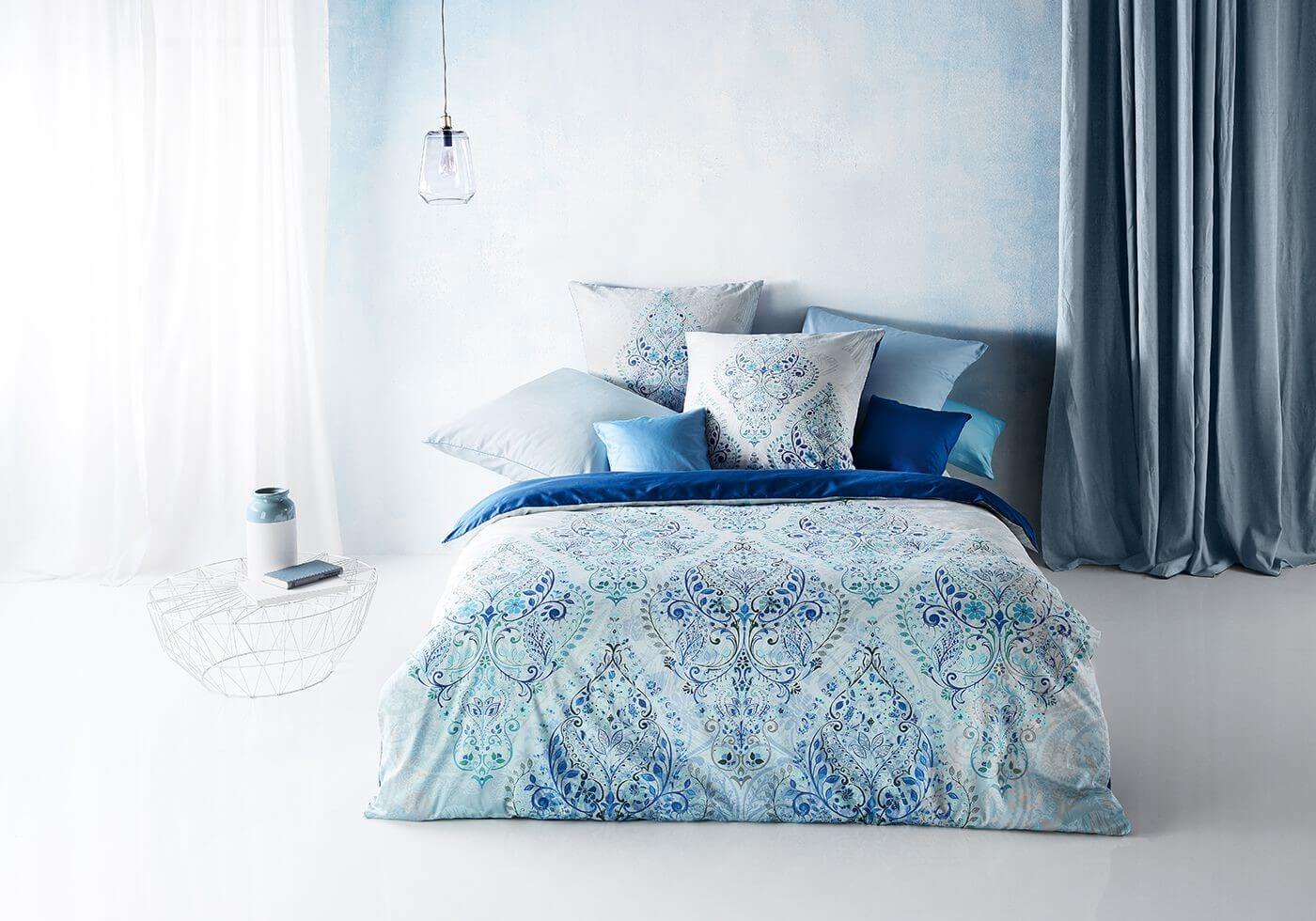
The same principle applies to everything used daily. Cheap items requiring frequent replacement cost more than quality lasting years. ₱500 shoes replaced every six months cost more than ₱2,000 shoes, which lasted three years. ₱1000 bed sheets replaced annually cost more than ₱6,000 quality bedding from North-Diamond epsilon lasting five-plus years.
This isn’t buying expensive everything—it’s strategic investment in daily-use items where cost-per-use drops dramatically over time.
The Framework
Save ₱50–₱100 daily by eliminating convenience costs: make coffee at home, pack lunch, plan snacks, avoid impulse purchases. That’s ₱1,500–₱3,000 monthly freed up.
Use portion of savings for strategic quality purchases reducing future costs: proper coffee maker, quality containers, home essentials lasting years instead of needing constant replacement.
Remaining savings go toward actual financial goals: emergency funds, investments, planned major purchases and saved for instead of financed.
The Result
₱100 saved daily is ₱36,500 yearly. That’s emergency funds, investment start, or quality purchases completely changing your life. The transformation comes from daily pattern sustained over time.
Carlo didn’t eliminate all treats. He made them intentional rather than automatic. Weekend café coffee as planned enjoyment, not daily expensive habit. Occasional delivery when needed, not default.
Money saved went toward quality items, reducing future spending and actual financial goals. Six months in, his emergency fund existed. His daily coffee tasted better. His lunches improved.
Saving ₱50–₱100 daily isn’t deprivation—it’s consciousness. Choosing where money goes instead of letting it leak away unnoticed. Strategic investment in quality over repeated spending on convenient mediocrity. Small daily choices compounding into financial security and genuinely better life.
Invest savings wisely. Explore North-Diamond epsilon’s collection at https://northdiamondepsilon.com.ph/ and discover quality essentials that save money long-term through durability.