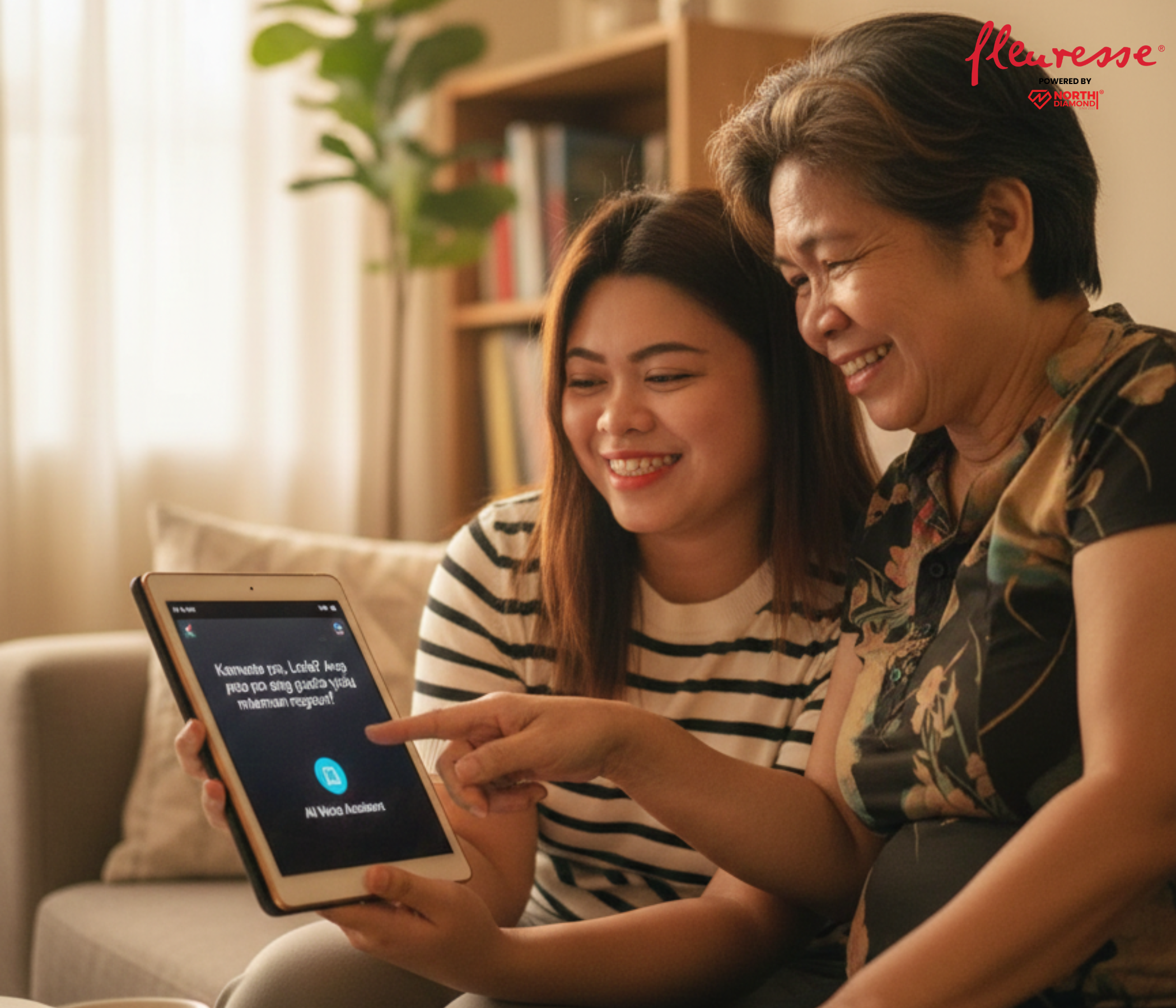

 Tita Josie doesn’t consider herself tech-savvy. At 58, she still asks her niece for help with phone settings. But last week, she used ChatGPT to write a retirement speech for her colleague. She didn’t know what “AI” technically meant—she just knew this tool helped her express herself beautifully.
This is how AI enters Filipino life in 2026. Not through grand revolution, but through quiet integration into daily tasks. Filipinos aren’t talking about AI—they’re just using it.
AI in Daily Filipino Life
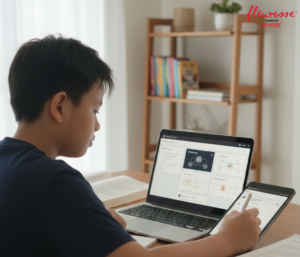
Students use AI to summarize readings, explain concepts, and practice English. It’s the tutor millions couldn’t afford, available 24/7 through phones. Small business owners use AI for customer service, inventory predictions, and social media content. The sari-sari store owner tracks stock through AI apps. Online sellers generate product descriptions automatically.
Freelancers—a massive Philippine sector—rely on AI for proposals, project management, and accounting. Tools that once required hiring help now run through AI, making one-person businesses viable.
Filipinos’ bilingual nature gives unique advantage. Most seamlessly switch between English and Filipino, and AI excels at bridging languages. It helps overcome insecurity about English proficiency, letting Filipinos polish writing and gain confidence their communication will be understood globally.
The Adoption Pattern
Filipino AI adoption spreads through practical need, not tech enthusiasm. The parent helping with homework. The job seeker crafting better applications. The entrepreneur competing with bigger businesses. AI levels previously tilted playing fields.
Social media accelerates adoption. Filipinos share AI tips through Facebook groups, TikTok tutorials, and group chats. “Try this prompt” becomes new form of Filipino generosity.
The Reality Check
Job displacement worries are real, especially in BPO sector employing millions. AI-generated misinformation spreads easily. The digital divide means rural Filipinos without internet miss benefits entirely.
There’s also exhaustion factor. AI makes more things possible, meaning more things expected. The ability to produce more doesn’t mean you should. The line between using AI as tool versus becoming servant to endless productivity is thin.
The Balance
Filipinos using AI most sustainably understand this. They use it to reduce friction in necessary tasks, creating time for what matters—family, rest, connection. They don’t use it to pack more work into every hour but to complete necessary work efficiently, preserving energy for life.
Quality rest remains essential no matter how many tasks AI handles. Mental clarity to use AI effectively requires being well-rested. Decision fatigue about what to automate requires energy. Wisdom to maintain human connection requires perspective from genuine rest.
Investing in recovery infrastructure like North-Diamond epsilon essentials isn’t contradictory to using AI—it’s complementary. AI handles cognitive overhead. Quality rest restores the cognitive capacity AI requires. Both work together for sustainable life.
Looking Forward
AI will continue integrating into Filipino life as invisible infrastructure supporting daily tasks. The question isn’t whether to adopt it—adoption is already happening. The question is how to use it wisely.
Use AI to reduce unnecessary cognitive load and access previously unavailable capabilities. But don’t use it to eliminate rest or fill every moment with productivity. The rise of AI in Filipino life is about what Filipinos choose to do with freed-up time and energy. If we use it to work more, we’ve missed the point. If we use it to live better—more present with family, more rested, more engaged with what truly matters—then AI becomes what technology should be: a tool serving human flourishing.
Balance technology with genuine rest. Explore North-Diamond epsilon’s collection at https://northdiamondepsilon.com.ph/ and invest in recovery that keeps you human in an AI world.