

Your tita asks what “slay” means. Your lolo is confused when your cousin calls something “bussin.” And you’re pretty sure your mom thinks “ate” is still just a term for older sister, not the way Gen Z addresses literally everyone now.
Welcome to Philippine social media in 2025, where language evolves faster than you can update your Instagram bio.
The Slang That’s Taking Over
Walk through any Filipino university campus or scroll through local TikTok and you’ll hear a linguistic mashup that would confuse linguists and delight comedians.
“Chz” (or “charot”) has evolved from simple “just kidding” to an entire mood—a way to say something true but make it sound like you’re joking. “Sana all” expresses both genuine happy-for-you feelings and passive-aggressive envy, depending on tone. “Pak ganern” celebrates anything worthy of snapping your fingers at, from perfect eyeliner to someone finally standing up to their toxic ex.
The beauty of these terms is how they capture complex Filipino emotions that don’t translate neatly into English. We’ve always been good at creating words that express exactly what we mean in contexts only we understand.
Why Language Changes So Fast Now
Social media compressed what used to take years into weeks. A word goes viral on TikTok Tuesday, becomes a meme by Wednesday, is overused ironically by Thursday, and is already “outdated” by Monday. The speed is exhausting and exhilarating.
But some slang sticks because it fills a real linguistic need. “Sanaol” became permanent because Filipinos needed a word that’s simultaneously supportive and envious, celebratory and longing. English doesn’t have that. So we created it.
The Generational Divide
The generational confusion is hilarious. Millennials are trying to keep up while raising Gen Z kids who speak in abbreviations they don’t understand. Gen X parents are googling what “GGSS” means. Boomers have mostly given up and just smile politely.
But there’s something sweet about watching older generations try. Your mom asking what “bet” means and using it incorrectly but enthusiastically. Your dad trying to be cool by saying “slay queen” to your sister and getting the context wrong but the spirit right.
When Trends Exhaust You
Here’s the thing about keeping up with viral language—it’s genuinely exhausting. The constant churning of new terms, the anxiety of using something that’s already “cringe,” the mental load of tracking what’s in and what’s out.
No wonder everyone’s tired.
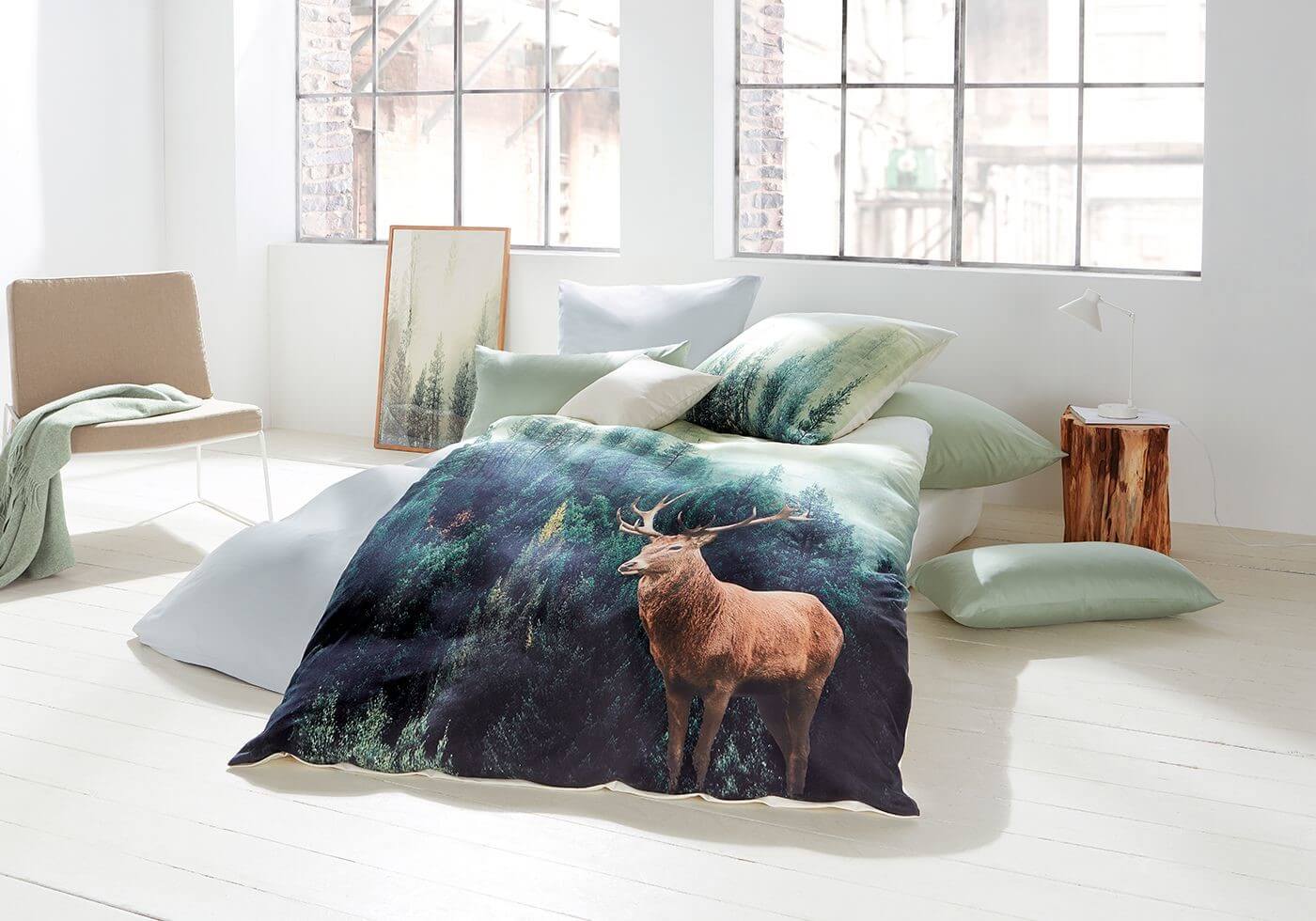
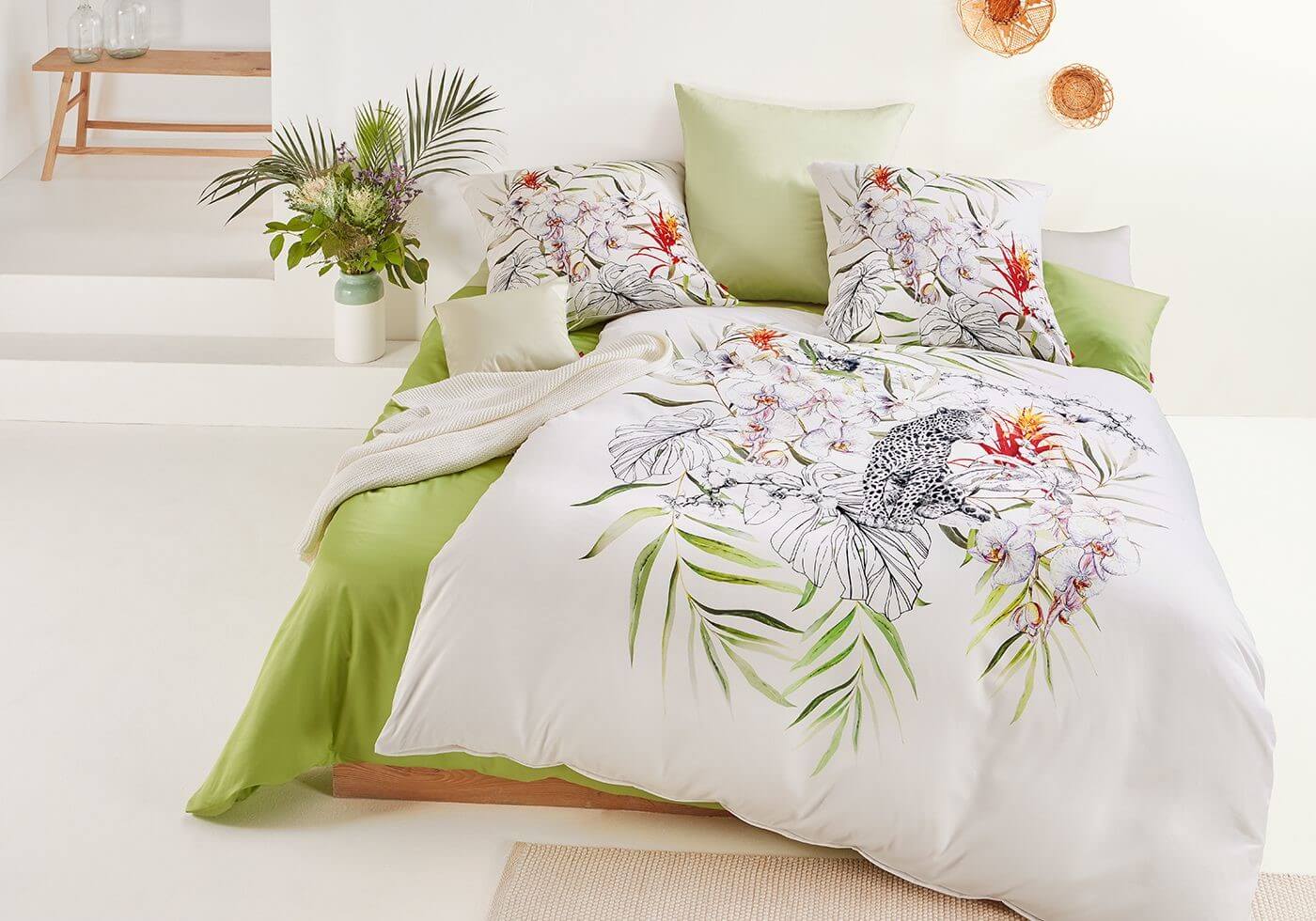
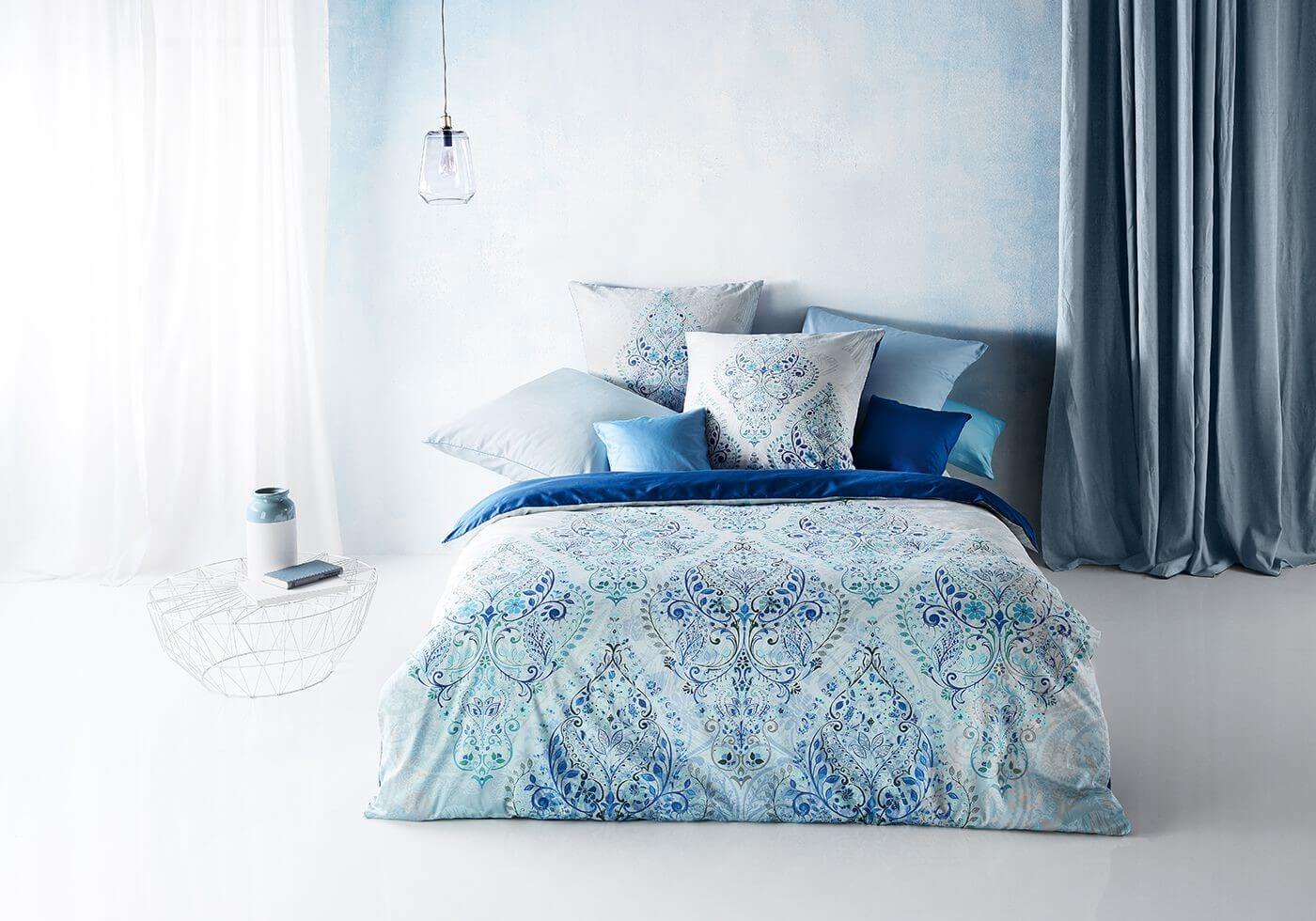
At North Diamond Epsilon, we see a different trend among the same generation creating this viral slang: an increasing desire to disconnect, rest, and create offline spaces where they don’t have to perform. The same Gen Z kids speaking in abbreviations online are investing in quality sleep environments where they can genuinely rest from the exhausting pace of digital life.
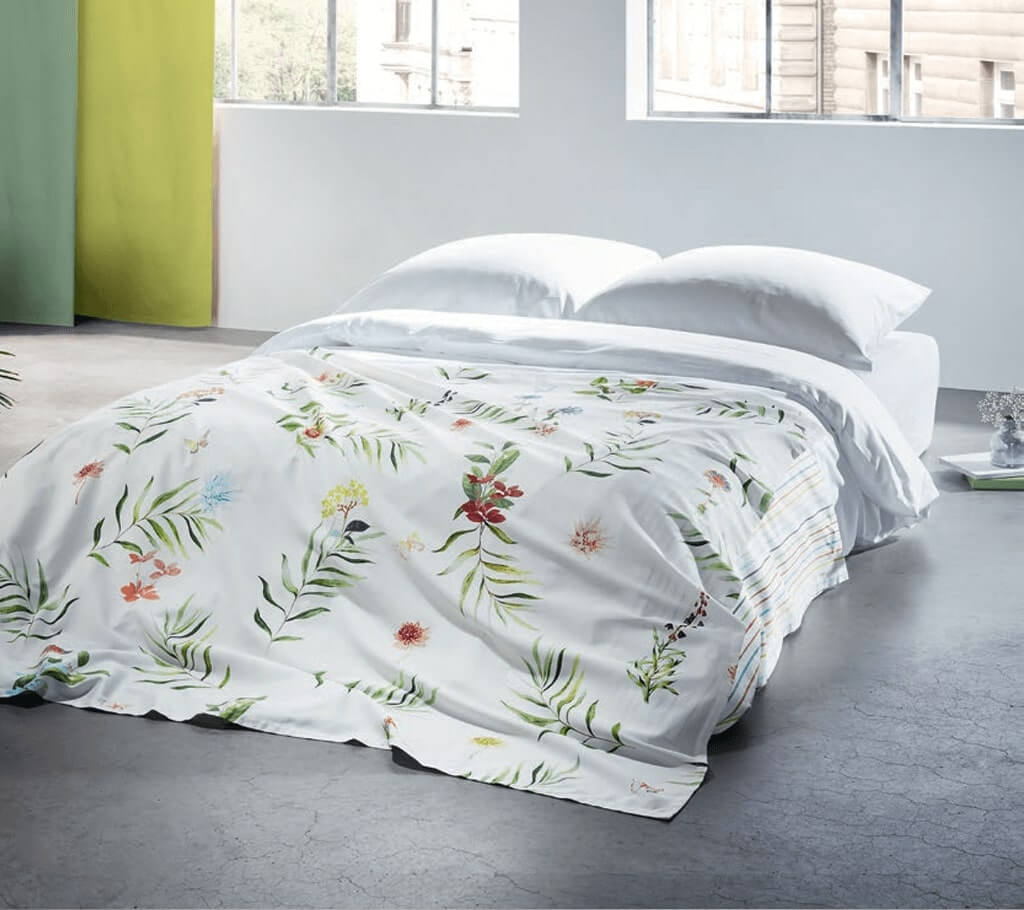
Our premium Fleuresse bed linens and bamboo charcoal air purifiers are popular with young professionals who understand that you can’t keep up with the internet’s pace if you’re not actually resting.
The Real Language We Need
While “slay” and “bussin” dominate online, another vocabulary is emerging in private: rest, boundaries, offline time, digital detox, genuine connection. These aren’t viral terms, but they’re becoming just as important to the generation that created viral language.
They’re learning that constant engagement is unsustainable, that there’s value in spaces where you don’t have to be on, that rest isn’t something to abbreviate or make ironic—it’s essential.
The Beautiful Irony
The most interesting trend isn’t the slang being created—it’s the intentional offline spaces young Filipinos are building. Bedrooms designed for actual rest, not just content creation. Routines that prioritize sleep over scrolling. Environments where the pressure to be constantly witty and current finally shuts off.
At North Diamond Epsilon, we’re seeing this shift. The same demographic creating viral slang is most interested in quality sleep products and creating bedrooms that support genuine rest. They understand better than anyone that the digital world is exhausting, and the only way to sustain participation is to have real recovery spaces.
There’s something beautifully ironic about a generation that communicates in rapid-fire abbreviations also being the generation that most values quality rest. They’re moving fast online and choosing slow offline.
“Slay” all you want during the day. Just make sure you have a space where you can finally stop performing and actually rest at night.
Create your offline sanctuary. Explore our collection at northdiamondepsilon.com.ph