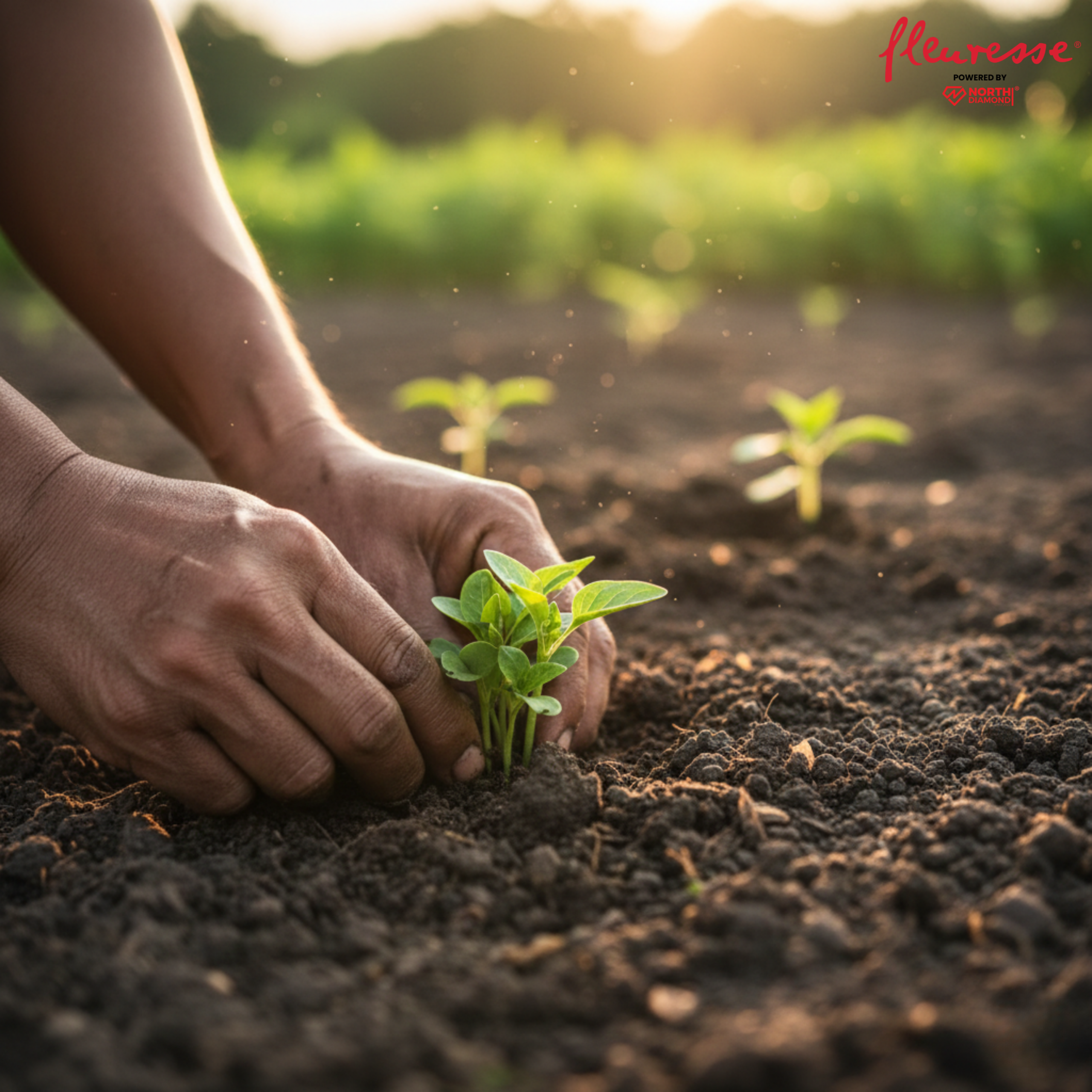

 Mang Pedro has been farming the same land in Bicol for forty years. He’s survived countless typhoons, but something has changed. The storms are stronger now, more frequent, more unpredictable. Last year’s typhoon wiped out his entire harvest in hours—months of work, his family’s income, gone in a single violent night.
This is the reality for Filipino farmers across typhoon-prone regions. The question isn’t if another storm will come, but when. And what they’ll do differently when it does.
The New Reality of Philippine Agriculture
The Philippines faces an average of twenty typhoons annually, and climate change is making them more destructive. Traditional farming methods that worked for generations are no longer enough. Climate-resilient farming isn’t just environmental talk—it’s economic survival for communities that can’t afford to lose everything every time a typhoon hits.
Solutions Taking Root
Across the archipelago, innovative farmers are implementing strategies that help communities weather the storms.
Diversified cropping means not putting all resources into one vulnerable harvest. Farmers plant quick-growing vegetables between slower crops, ensuring that even if a typhoon destroys the main harvest, there’s something to fall back on. Root crops like cassava and sweet potato survive flooding better than rice.
Agroforestry systems integrate trees with crops, creating natural windbreaks that reduce storm damage. These trees also prevent soil erosion and improve water retention. When Typhoon Rolly hit in 2020, farms with established tree barriers lost significantly less than those with open fields.
Water management infrastructure—catch basins, drainage systems, elevated planting beds—helps communities handle both flooding during typhoons and droughts that follow. Farmers are learning to harvest rainwater during storms to use during dry seasons.
The Human Cost
Behind every agricultural statistic is a family depending on that land for survival. When crops fail, farmers lose income, food, their children’s education funds. The mental health toll of repeatedly rebuilding is immeasurable.
What often gets overlooked is the physical and mental recovery farmers need between disasters. You can’t rebuild after a typhoon if you’re too exhausted to think clearly. You can’t make critical decisions about replanting if you haven’t slept properly in weeks.
At North Diamond Epsilon, we understand that resilience—whether against climate disasters or daily challenges—starts with genuine rest. While we focus on urban comfort and quality sleep, we recognize that everyone deserves restorative rest. When urban professionals invest in quality sleep through our premium fleuresse® bed linens and bamboo charcoal air purifiers, they’re building their own resilience against stress and demands.
The principle is the same whether you’re a farmer rebuilding after a typhoon or a professional navigating urban challenge: you need a foundation of rest to face what comes next.
Supporting the Full Circle
There’s a connection between urban consumers and rural farmers. When city dwellers invest in natural, sustainable products—like the bamboo and natural materials we source for our air purifiers—they’re supporting industries that provide livelihoods in rural areas. Farmers who grow bamboo for sustainable products have diversified income streams that don’t depend solely on crops vulnerable to typhoons.
When we choose quality over quantity and invest in products made sustainably, we’re contributing to a system that helps everyone become more resilient.
The Path Forward
Mang Pedro is learning new techniques, planting different crops, and joining cooperatives. His son, who works in Manila, sends money home and shares information about new farming methods. The family is building resilience together.
Climate change isn’t going away. The typhoons will keep coming. But Filipino farmers are proving that with the right support, knowledge, and community strength, they can adapt and survive. And all of us can support that resilience by how we live and what we choose to invest in—from the farms that feed us to the sleep that restores us.
Build your personal resilience through quality rest. Explore our collection at northdiamondepsilon.com.ph